
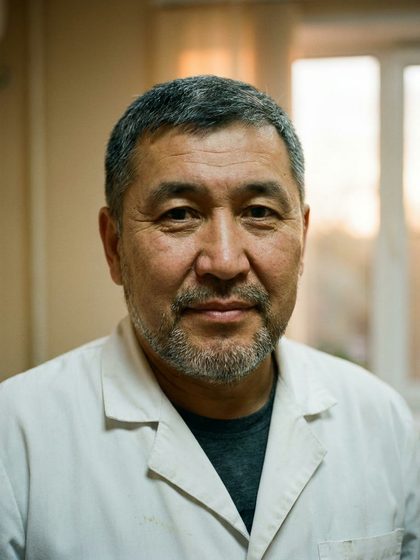
Reviewed byBaurzhan Kassymov, MDAddiction physician · updated 11.11.2026
Key facts
- Who provides care
- An addiction physician and nurses; when needed, a psychiatrist, an internist and a cardiologist
- Where
- Inpatient units of our clinics in Almaty and Astana; outpatient care if the patient is stable and under a doctor’s supervision
- Duration
- Usually from 3 to 10 days; with dependence on sedatives, withdrawal may take several weeks
- Anonymity
- Anonymous, with no registration in the state narcology dispensary registry; information is protected by medical confidentiality under the law of the Republic of Kazakhstan
- When it is urgent
- Seizures, hallucinations, confusion, chest pain, vomiting blood or suicidal thoughts — call 103 or 112
- Outcome
- The body is free of the substance, sleep and key vital signs are restored, and the patient is ready for relapse-prevention treatment
What to know
The word “detox” is often heard today in ads for juices and teas, so let me clarify right away: in addiction medicine, detox is a medical procedure, not “cleansing the body of toxins.” Its goal is to guide a person safely through stopping a substance their body has grown used to: alcohol, drugs, sleeping pills or sedatives. It is the first stage of addiction treatment, not the whole treatment, and it must always be followed by a next step.
Detox differs from a one-time IV drip in that it is a managed course lasting several days, with monitoring of lab results, sleep, blood pressure and mental state. I explain to patients that in the first days of withdrawal the body is readjusting, and our job is to keep this process from turning into complications. At Akalam, the detox program is tailored to each patient, taking into account the substance, the length of use, age and any other medical conditions.
When Medical Detox Is Needed
- the person wants to stop using but feels ill every time they try
- without alcohol or the substance, shaking, sweating, anxiety and insomnia appear
- long-term use of sleeping pills or sedatives that the person can no longer stop
- the body needs to be fully cleared before alcohol “coding” or rehab
- lab tests show changes in liver function, blood pressure or electrolytes linked to substance use
- previous attempts to quit were accompanied by seizures or confusion
- alcohol, drugs and medications are being used at the same time, and the person’s condition is unpredictable
If life is at risk — loss of consciousness, seizures, hallucinations, overdose, suicidal thoughts — call 103 or 112. Helpline for children and young people: 150.
Why Medical Detox Is Needed and Why You Should Not Quit Abruptly on Your Own
With long-term use, the body builds the substance into its metabolism: the nervous system, liver and blood vessels start working differently. Stopping abruptly without support triggers withdrawal syndrome — ranging from insomnia and anxiety to seizures and psychosis. Stopping alcohol on your own after many years of heavy drinking is especially dangerous, as is stopping sedatives taken for months: this must be done gradually and under a doctor’s supervision.
In addition, by the time they seek help, many patients already have dehydration, deficiencies in B vitamins and electrolytes, and impaired liver function. Without correcting these problems, the person feels unwell for a long time, and the risk of returning to substance use increases. Medical detox addresses both tasks: it makes withdrawal safer and helps the body recover faster.
How Detox Works: Day by Day
Before admission, an online consultation is possible: the doctor asks what was used and for how long, what medications the person takes and whether there are chronic illnesses. On the first day, there is an examination, an ECG, blood and urine tests and an assessment of liver and kidney function, and then IV fluid therapy begins. Over the following days, the doctor adjusts prescriptions based on test results and how the patient feels, restores sleep, and monitors blood pressure and mental state. Toward the end of the course, a psychotherapist joins in and a plan for further treatment is discussed.
Outpatient detox is suitable only for mild withdrawal, when there is no history of seizures or psychosis, no serious heart or liver disease and there is support at home. Inpatient care is needed with a long history of use, combined substances, sedative withdrawal, pregnancy or older age. Withdrawal treatment cannot be prescribed online without an examination. In case of seizures, hallucinations or loss of consciousness, call 103 or 112.
How we help
Assessment before starting
Detox does not begin with an IV drip but with an assessment: blood tests, liver and kidney function, electrolytes, an ECG and, if needed, a drug test with the patient’s consent. This makes it possible to choose a safe volume of fluids, take heart and liver disease into account and anticipate in advance how severe withdrawal may be.
IV fluid therapy and metabolic recovery
Detox solutions, electrolytes, B vitamins and liver-protecting medications are given intravenously. The doctor changes the volume and composition every day based on test results and how the patient feels. At the same time, normal eating and fluid intake are restored: the body needs to make up for losses accumulated during the period of use; otherwise weakness and irritability persist for a long time.
Managing withdrawal syndrome
To ease anxiety, insomnia and tremor and to prevent seizures, the doctor may prescribe calming medications, including benzodiazepines — only by prescription, as a short course and under supervision. When stopping sleeping pills and sedatives, the dose is reduced gradually according to a plan to avoid dangerous reactions.
Moving on to relapse-prevention treatment
Detox removes physical dependence, but not cravings. That is why, at the end of the course, the patient meets with a psychotherapist, and the doctor discusses relapse-prevention therapy and, if needed, alcohol “coding” (a treatment widely used in Kazakhstan and CIS countries) — only after an examination, the required period of sobriety and written consent. We draw up a plan for the first months after discharge.
How treatment works
- 01Call or WhatsAppThe administrator and the doctor on duty clarify the situation and tell you what to do right now.
- 02Examination or consultationThe doctor visits your home, sees you at the clinic or joins by video.
- 03Treatment planWe choose the format — at home, inpatient, psychotherapy or rehab — with a clear price.
- 04Ongoing supportYour doctor and psychotherapist stay in touch: follow-ups, family support and relapse prevention.
Myths and facts
MythDetox teas and fasting cleanse the body just as well
FactThese remedies have no effect on withdrawal syndrome and do not protect against seizures or psychosis. In addiction medicine, detox is a medical procedure with lab tests and monitoring of vital signs, not “cleansing the body of toxins.”
MythDetox is the addiction treatment
FactDetox relieves physical dependence and the acute effects of substance use. Cravings, habits and the reasons the person was using remain, which is why detox must be followed by psychotherapy and a relapse-prevention program.
MythThe faster, the better — it can be done in one day
FactRapid withdrawal without monitoring can be dangerous, especially after long-term use and with dependence on sedatives. The doctor determines a safe pace based on test results and how the patient feels, and it usually takes several days.
Prices: Medical detox
| Medical detox | 40 000 ₸ |
| Addiction doctor home visit: examination and advice | 20 000 ₸ |
| Repeat IV drip the next day | 20 000 ₸ |
| 24 hours in the inpatient unit | 45 000 ₸ |
| Phone consultation | free |
Prices are approximate: the doctor confirms the exact cost after the examination, before treatment starts.
Confidential
We do not register patients with state dispensaries or share information with employers. You do not have to give your surname; doctors arrive in unmarked cars. Medical confidentiality is protected by the Code of Kazakhstan “On Public Health and the Healthcare System”.
Clinic addresses
FAQ
How is detox different from an IV drip for a hangover after a binge?
An IV drip is a one-time procedure to relieve an acute condition. Detox is a course lasting several days, with an assessment, daily adjustment of prescriptions, monitoring of withdrawal syndrome and preparation for further treatment. It is suitable when a person has decided to stop using completely.
Can detox be done at home?
Only for mild withdrawal, after an in-person examination and if an adult is present. With a long history of use, combined substances, sedative withdrawal or a history of seizures, a hospital is safer, where the patient is monitored around the clock.
Do you help with dependence on sleeping pills and sedatives?
Yes. Withdrawal from these medications is carried out gradually, according to a plan drawn up by the doctor — stopping abruptly can cause seizures and psychosis. Sometimes this takes several weeks, part of which can be done on an outpatient basis under a doctor’s supervision.
What should I bring to the hospital?
An ID document for the contract, comfortable clothing, toiletries, a phone charger, a list of medications you take, and medical records and test results if you have them. Do not bring alcohol, drugs or any medications unless agreed with the doctor.
Is anonymity guaranteed?
Yes. Akalam provides detox on a paid, anonymous basis with no registration in the state dispensary registry. Patient information is protected by medical confidentiality and is disclosed only in cases expressly provided for by the law of the Republic of Kazakhstan.
What comes after detox?
The doctor offers the next steps: relapse-prevention therapy, psychotherapy, and outpatient or inpatient rehab. For residents of other cities of Kazakhstan, follow-up support after discharge is available online, with scheduled in-person visits.
Sources and review
Prepared by the Akalam medical editorial team based on:
- ICD-10 and ICD-11: mental and behavioural disorders
- Clinical protocols of the Ministry of Health of Kazakhstan
- Code of Kazakhstan “On Public Health and the Healthcare System”
- WHO: mental health and substance use
- NICE and APA clinical guidelines
This information is for reference and does not replace a doctor's consultation. Editorial policy