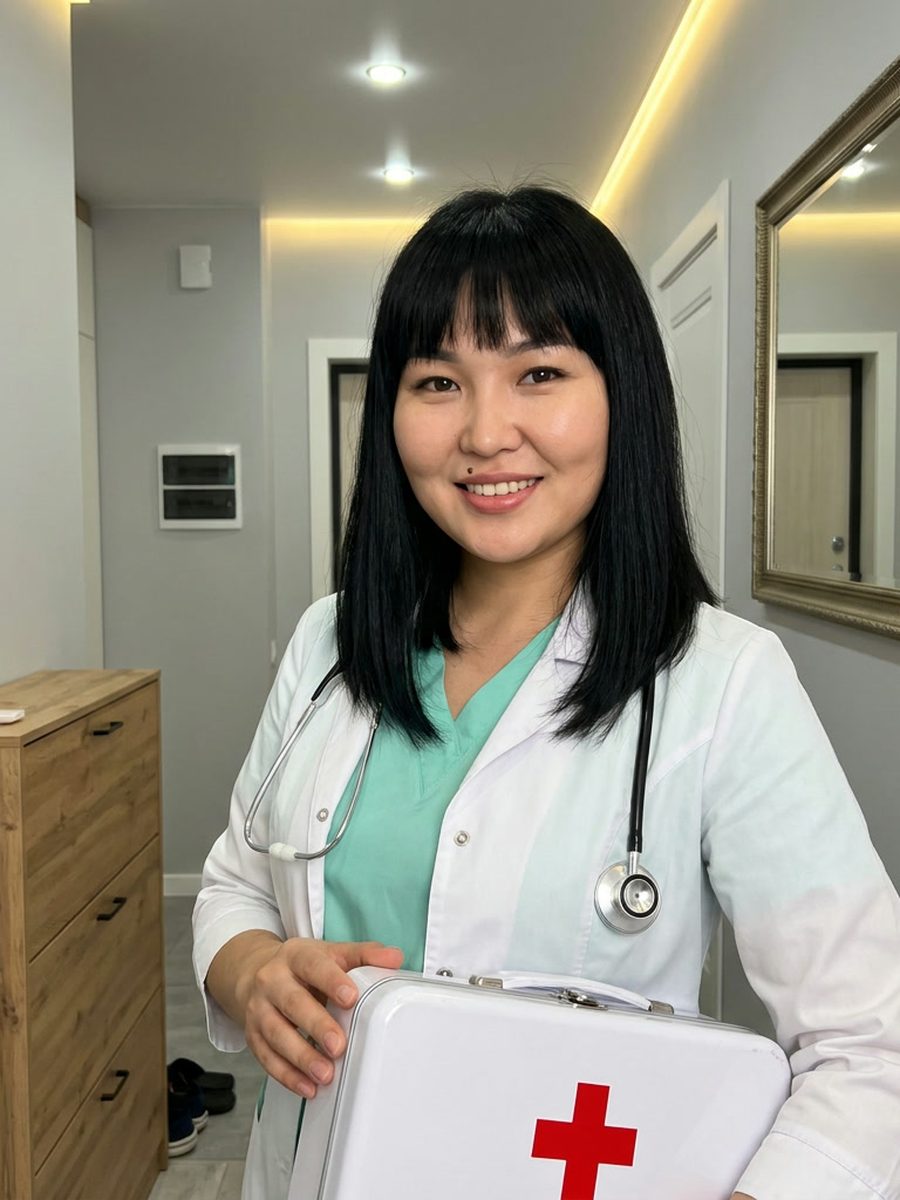
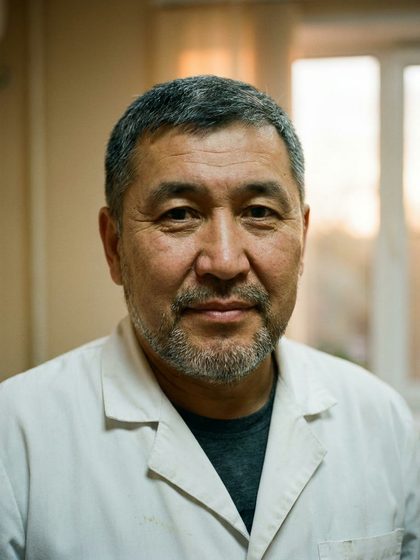
Reviewed byBaurzhan Kassymov, MDAddiction physician · updated 11.11.2026
Key facts
- ICD-10 code
- F19.2
- Who provides care
- An addiction physician leads the treatment, working with a psychiatrist, a psychotherapist and psychologists; for complications — an internist and an infectious disease specialist
- Where
- Inpatient and outpatient care in Almaty and Astana; in other cities of Kazakhstan — home visits by arrangement and online follow-up
- Duration
- Detox takes from a few days, stabilization several weeks, and rehab with follow-up support from several months
- Anonymity
- Paid, anonymous treatment with no registration in the state narcology dispensary registry; all data are protected by medical confidentiality
- When it is urgent
- Loss of consciousness, slow or shallow breathing, seizures, psychosis or suicidal thoughts — call 103 or 112
- Outcome
- Stopping drug use, a stable mental state, relapse-prevention skills and a plan for returning to work and family life
What to know
Most often I am called not by patients themselves but by mothers, wives and brothers — confused and frightened. The first thing I tell them is that dependence on psychoactive substances (codes F11–F19 in ICD-10) is a disease with a clear medical pathway. That pathway neither begins nor ends with relieving withdrawal: withdrawal care is only the entry point to treatment, after which the main work begins — with cravings, behavior, relationships and the person’s whole life.
The program at Akalam is built step by step and follows the protocols of the Ministry of Health of the Republic of Kazakhstan and WHO recommendations: assessment, detox, stabilization of mental health, psychotherapy, then rehab and long-term follow-up. We are honest with families: the result depends on how engaged the person is, and remission is not a finish line but a process that has to be maintained for months — and the family plays an important role in it.
Warning Signs That a Family Should See an Addiction Specialist
- sudden mood swings, irritability and secretiveness with no obvious reason
- a disrupted sleep pattern: sleepless nights and sleeping during the day, loss of appetite
- missing money and valuables, debts, lies about where the person spends their time
- a new circle of friends and loss of interest in former hobbies, studies or work
- changes in appearance: weight loss, dilated or constricted pupils, marks on the skin
- attempts to quit end in feeling very unwell and going back to using
- the person has become anxious or suspicious or says strange things
If life is at risk — loss of consciousness, seizures, hallucinations, overdose, suicidal thoughts — call 103 or 112. Helpline for children and young people: 150.
Why Drug Addiction Requires Professional Treatment
Psychoactive substances rewire the brain’s reward system: everyday pleasures stop bringing joy, and thoughts are increasingly taken up by getting the drug. Both physical dependence and psychological craving develop, and the craving persists for months after stopping. That is why attempts to “tough it out” alone often end in relapse — and sometimes in an overdose, because tolerance has dropped.
In many patients, addiction goes hand in hand with anxiety, depression, the effects of trauma or family problems. If only the body is treated, these causes do not go away. That is why a psychiatrist and a psychotherapist are part of our program: they assess co-occurring disorders and help the person find other ways to cope with tension, boredom and inner emptiness — without which remission does not last long.
How Drug Addiction Treatment Works: From the First Call to Rehab
We begin with a consultation, which can be held online with relatives or with the patient: the doctor asks what substances were used and for how long, what illnesses the person has and whether there have been overdoses. Then comes an in-person examination, lab tests, an ECG and a mental health assessment. The addiction physician recommends a detox format; after stabilization, a psychotherapist and a psychologist join the team, and then inpatient or outpatient rehab is discussed.
Going through withdrawal at home is unsafe in severe cases, when several substances are combined, with seizures, psychotic symptoms, serious infections or pregnancy — inpatient care is needed then. Withdrawal treatment cannot be prescribed online without an examination. If there are signs of an overdose, loss of consciousness or breathing problems, call 103 or 112 immediately.
How we help
Medical detox
Under a doctor’s supervision, the body is cleared of the substance and its breakdown products. IV detox solutions and medications to ease withdrawal symptoms, restore sleep and reduce anxiety are used — the doctor chooses the medication groups after the examination. The goal of this stage is to get through the acute period safely and prepare the person for further treatment.
Stabilizing mental health
After withdrawal, insomnia, apathy, irritability and strong cravings often remain. A psychiatrist assesses whether there is depression or an anxiety disorder and prescribes treatment if needed. In some cases, the doctor discusses opioid receptor antagonists (opioid blockade) as part of relapse-prevention support — only after an assessment and with the patient’s consent.
Psychotherapy and craving management
Individual and group sessions help the person recognize high-risk situations, cope with cravings and rebuild trust in the family. We use cognitive behavioral therapy (CBT) and motivational interviewing — evidence-based approaches recommended by international WHO and NICE guidelines for treating addiction.
Rehab and aftercare
After the medical stage, we discuss the rehab format: a residential center, an outpatient program or support groups such as a 12-step program. Regular appointments with a doctor and a psychologist during the first months help maintain remission, and the family receives separate counseling on how to support the person and avoid falling back into old patterns.
How treatment works
- 01Call or WhatsAppThe administrator and the doctor on duty clarify the situation and tell you what to do right now.
- 02Examination or consultationThe doctor visits your home, sees you at the clinic or joins by video.
- 03Treatment planWe choose the format — at home, inpatient, psychotherapy or rehab — with a clear price.
- 04Ongoing supportYour doctor and psychotherapist stay in touch: follow-ups, family support and relapse prevention.
Myths and facts
MythThe main thing is to get through withdrawal — after that the person can manage alone
FactWithdrawal lasts days, but cravings persist for months. Without psychotherapy and rehab, most patients return to drug use, and the risk of overdose after a break is higher because tolerance has dropped.
MythDrug addiction treatment always means being put on a registry and trouble with the law
FactAt Akalam, treatment is anonymous, with no registration in the state dispensary registry. Patient information is a medical secret that is disclosed only in cases expressly provided for by the legislation of the Republic of Kazakhstan.
MythIf the person does not want treatment, nothing can be done
FactAn adult cannot be treated without consent, except by court decision. But the family can do a lot: a consultation with an addiction physician and a psychologist, the right kind of conversation, a motivational talk. Often the person agrees to an examination precisely after relatives change their own behavior.
Prices: Drug addiction treatment
| Drug addiction treatment | 90 000 ₸ |
| Addiction doctor home visit: examination and advice | 20 000 ₸ |
| Repeat IV drip the next day | 20 000 ₸ |
| 24 hours in the inpatient unit | 45 000 ₸ |
| Phone consultation | free |
Prices are approximate: the doctor confirms the exact cost after the examination, before treatment starts.
Confidential
We do not register patients with state dispensaries or share information with employers. You do not have to give your surname; doctors arrive in unmarked cars. Medical confidentiality is protected by the Code of Kazakhstan “On Public Health and the Healthcare System”.
Clinic addresses
FAQ
Where should we start if a loved one is using drugs?
Start with a family consultation — it can be held online. The doctor will help you assess the risks, explain how to talk to the person without blame and tell you what to do if they agree to an examination. Avoid interrogations and searches: they usually make the person even more secretive.
How long does drug addiction treatment take?
Detox takes from a few days to a couple of weeks, and stabilization several weeks. Rehab and follow-up support last for months. The doctor gives the exact duration after an assessment; it depends on the substance, the length of use and any co-occurring illnesses.
Is outpatient treatment possible?
Yes, if the person’s condition is stable, there are no serious complications and there is support at home. The patient attends appointments and psychotherapy, while the doctor monitors their well-being. If staying clean as an outpatient does not work, we discuss inpatient care.
Are lab tests necessary?
Yes. Blood tests, a liver assessment, an ECG and screening for infections are needed to choose treatment safely. A drug test helps the doctor understand the full picture, but it is done only with the patient’s consent and is not shared with third parties.
What should I do if I suspect an overdose?
Call 103 or 112 immediately. If the person is unconscious but breathing, place them on their side, do not leave them alone and do not give them anything to drink. Do not try to “bring them round” yourself — getting an ambulance there is more important than any home remedy.
Do you help people who live in other cities of Kazakhstan?
Yes. We hold online consultations for patients and families from any city, and for some services a doctor can visit you. If inpatient treatment is needed, we help arrange admission to our clinic in Almaty or Astana.
Sources and review
Prepared by the Akalam medical editorial team based on:
- ICD-10 and ICD-11: mental and behavioural disorders
- Clinical protocols of the Ministry of Health of Kazakhstan
- Code of Kazakhstan “On Public Health and the Healthcare System”
- WHO: mental health and substance use
- NICE and APA clinical guidelines
This information is for reference and does not replace a doctor's consultation. Editorial policy