
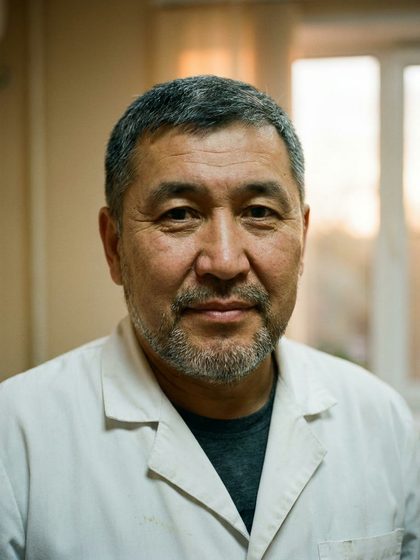
Reviewed byBaurzhan Kassymov, MDAddiction physician · updated 11.11.2026
Key facts
- ICD-10 code
- F19.0
- Who provides care
- An addiction physician and a nurse; for psychotic symptoms — a psychiatrist; for heart rhythm problems — a cardiologist consultation
- Where
- Inpatient units of our clinics in Almaty and Astana; at home only in mild cases and after a doctor’s examination
- Duration
- From a few hours to a day or longer, depending on the substance, the amount taken and the person’s health
- Anonymity
- Anonymous, with no registration in the state narcology dispensary registry; medical confidentiality under the law of the Republic of Kazakhstan
- When it is urgent
- Loss of consciousness, slow or noisy breathing, seizures, bluish skin or chest pain — call 103 or 112 right away
- Outcome
- Safe recovery from intoxication, stable vital signs and a plan for further assessment and treatment
What to know
Acute intoxication with a psychoactive substance (in ICD-10, the fourth character “.0” in categories F11–F19) is a condition in which the substance is still active and is disrupting consciousness, behavior, breathing or heart function. Relatives usually notice that the person is “not themselves”: agitated or, on the contrary, sluggish, speaking incoherently, nauseous or unable to stand. It is important to understand that intoxication and withdrawal syndrome are different conditions, and the care they require is different too.
The first thing I ask families to remember: if the person does not regain consciousness, breathes slowly or with a rattling sound, has seizures, blue lips or chest pain, this is not a reason to call a private clinic — it is a reason to call 103 or 112 immediately. When there is no threat to life but the condition is serious and the person needs medical care, Akalam admits patients to the hospital, where a doctor and a nurse monitor them until the intoxication has completely worn off.
Signs of Drug Intoxication That Require Medical Care
- severe drowsiness, the person is hard to wake or does not answer questions
- slow, shallow or snoring breathing, blue lips and nails
- sudden agitation, aggression, fear, a feeling of being followed
- a very rapid heartbeat, pain or pressure in the chest, high body temperature
- repeated vomiting, especially if the person has poor control over themselves
- hallucinations, incoherent speech, the person does not understand where they are
- seizures or muscle twitching, loss of coordination, falls
If life is at risk — loss of consciousness, seizures, hallucinations, overdose, suicidal thoughts — call 103 or 112. Helpline for children and young people: 150.
Why Intoxication Is Dangerous and Why You Cannot Just “Sleep It Off”
Psychoactive substances affect the respiratory center, the cardiovascular system and body temperature regulation. The composition of “street” drugs is unpredictable, and combining them with alcohol or medications greatly increases their effect. That is why a person who has “just overdone it” may stop breathing normally an hour later. A separate risk is vomiting while semi-conscious: the person may inhale the vomit.
How severe the condition becomes depends on the substance, the amount, tolerance, age and any heart, liver or kidney disease. People who use again after a break have lower tolerance, and their usual amount becomes dangerous. That is exactly why we do not advise relatives to wait for it to “pass on its own,” and we do not give any home advice on “neutralizing” the drug — whenever in doubt, a doctor is needed.
What to Do Before the Doctor Arrives and How Hospital Care Works
Until help arrives: do not leave the person alone, lay them on their side if they are drowsy or nauseous, loosen tight clothing and make sure there is fresh air. Do not give them anything to eat or drink, do not induce vomiting and do not give any medication on your own initiative. In the Akalam hospital, the doctor assesses consciousness, breathing, blood pressure, pulse and oxygen saturation, performs an ECG and lab tests, and then prescribes IV fluid therapy and medications to relieve agitation and nausea.
Treating intoxication at home is dangerous if consciousness or breathing is impaired, with seizures, chest pain, high fever, psychosis, when drugs are combined with alcohol, and in teenagers and pregnant women. An online consultation is not suitable here: breathing and heart function cannot be assessed over video. At the slightest sign of an overdose, call 103 or 112 right away — this matters more than any clinic appointment.
How we help
Assessment of vital functions
The first minutes are devoted to what matters most: whether the airway is clear, whether there is enough oxygen, and whether blood pressure and heart rhythm are stable. The doctor performs an examination, pulse oximetry and an ECG and determines the level of consciousness. This assessment decides whether treatment can continue on the ward or the patient must be transferred to the intensive care unit of a general hospital.
IV detox therapy
IV solutions help clear the substance and its breakdown products from the body faster, replace fluids lost through vomiting and sweating, and support kidney function. When needed, liver-protecting medications and B vitamins are added. The doctor chooses the specific medication groups based on the examination and test results.
Relieving agitation and psychotic symptoms
If the person is agitated, frightened or seeing things that are not there, the doctor prescribes calming medications or antipsychotics — only when indicated and under supervision. In a quiet ward with a nurse close by, the risk of injury and aggression is much lower than at home, and a psychiatrist assesses, if necessary, whether psychosis is developing.
Monitoring and talking about next steps
After stabilization, the patient stays under observation until the substance has completely worn off: some symptoms may return a few hours later. When the person comes round, the doctor calmly discusses what happened and offers an assessment and addiction treatment if needed. This is not a lecture but an opportunity to take the next step.
How treatment works
- 01Call or WhatsAppThe administrator and the doctor on duty clarify the situation and tell you what to do right now.
- 02Examination or consultationThe doctor visits your home, sees you at the clinic or joins by video.
- 03Treatment planWe choose the format — at home, inpatient, psychotherapy or rehab — with a clear price.
- 04Ongoing supportYour doctor and psychotherapist stay in touch: follow-ups, family support and relapse prevention.
Myths and facts
MythGive them strong coffee or a cold shower
FactThese measures do not remove the substance and do not protect against respiratory arrest, and cold water can cause hypothermia and heart rhythm problems. Instead, lay the person on their side, watch their breathing and call a doctor or 103.
MythIf they have fallen asleep, the danger is over
FactDeep sleep during intoxication can turn into respiratory depression. Check whether the person responds to your voice and touch and how they are breathing. If you cannot wake them or their breathing is slow, call 103 or 112 immediately.
MythCalling an ambulance will definitely lead to trouble
FactThe ambulance’s job is to save a life. If there are signs of an overdose, delay is far more dangerous than any consequences. Medical information is protected by confidentiality, and a private clinic will continue treatment once the threat to life has passed.
Prices: Drug intoxication treatment
| Drug intoxication treatment | 45 000 ₸ |
| Addiction doctor home visit: examination and advice | 20 000 ₸ |
| Repeat IV drip the next day | 20 000 ₸ |
| 24 hours in the inpatient unit | 45 000 ₸ |
| Phone consultation | free |
Prices are approximate: the doctor confirms the exact cost after the examination, before treatment starts.
Confidential
We do not register patients with state dispensaries or share information with employers. You do not have to give your surname; doctors arrive in unmarked cars. Medical confidentiality is protected by the Code of Kazakhstan “On Public Health and the Healthcare System”.
Clinic addresses
FAQ
When should I call the clinic and when should I call 103?
Call 103 or 112 right away if the person is unconscious, breathing poorly, having seizures, has blue lips, chest pain or a very high temperature. Call the clinic when the person is conscious and breathing normally but feels unwell and needs medical observation. If in doubt, call 103.
How long does treatment of intoxication take?
Usually from a few hours to a day, but with some substances and when combined with alcohol, observation takes longer. The doctor discharges the patient only once vital signs are stable and symptoms do not return.
Can intoxication be treated at home?
Only in mild cases and after an in-person examination by a doctor, when the person is fully conscious and their breathing and blood pressure are normal. In most situations, a hospital is safer: some symptoms may worsen a few hours later, and this is easy to miss at home.
What should I tell the doctor?
Say honestly what may have been taken, when and in what amount, whether it was combined with alcohol or medications, and what chronic illnesses the person has. This information is needed only for safe treatment and is protected by medical confidentiality.
Will the clinic report to the police?
We work anonymously, with no registration in the state dispensary registry. Patient information is protected by medical confidentiality under the Code of the Republic of Kazakhstan “On Public Health and the Healthcare System” and is disclosed only in cases expressly provided for by law.
What should we do after the intoxication has passed?
If this is not the first episode, it is worth getting assessed by an addiction physician and discussing addiction treatment. We offer consultations for the patient and family, including online for residents of other cities of Kazakhstan, and help you choose the format of further care.
Sources and review
Prepared by the Akalam medical editorial team based on:
- ICD-10 and ICD-11: mental and behavioural disorders
- Clinical protocols of the Ministry of Health of Kazakhstan
- Code of Kazakhstan “On Public Health and the Healthcare System”
- WHO: mental health and substance use
- NICE and APA clinical guidelines
This information is for reference and does not replace a doctor's consultation. Editorial policy