
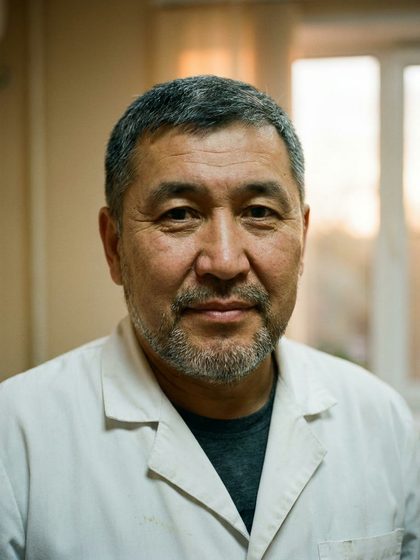
Reviewed byBaurzhan Kassymov, MDAddiction physician · updated 11.11.2026
Key facts
- Who provides care
- An addiction physician experienced in home visits, together with a nurse when needed
- Where
- The patient’s apartment or house in Almaty and Astana, around the clock; other cities of Kazakhstan by arrangement
- Duration
- An examination and consultation take about an hour, with an IV drip usually 2–3 hours; a follow-up visit is scheduled if indicated
- Anonymity
- Anonymous, with no registration in any registry; the doctor arrives in ordinary clothes in an unmarked car
- When it is urgent
- Seizures, hallucinations, loss of consciousness, chest pain or vomiting blood — do not wait for the addiction physician, call 103 or 112
- Outcome
- A stabilized condition, a clear risk assessment and a specific plan: treatment at home, a clinic appointment or inpatient care
What to know
Calling an addiction physician to your home is not only about drinking binges. Families contact us when a person has been unable to recover for several days, when they want to have a calm conversation about treatment on the person’s own ground, when an elderly relative has mixed alcohol with medications, or when the person’s condition needs to be checked after discharge from the hospital. The doctor comes to understand the situation on the spot and offer a safe solution — not just to “put in a drip and leave.”
I always explain to relatives that the main value of a home visit is a medical assessment. The addiction physician sees the person in their usual environment, measures vital signs, asks questions that cannot be answered over the phone and says honestly whether care at home will be enough. If the risk is clearly high, a Akalam doctor will not take chances for the sake of convenience: they will suggest inpatient care or call 103 and wait for the ambulance crew to arrive.
When to Call an Addiction Physician to Your Home
- the person has been drinking for several days and cannot stop on their own
- after drinking there is severe weakness, nausea, shaking, insomnia and anxiety
- the patient agrees to an examination but refuses to go to the clinic
- an elderly relative is combining alcohol with medications and feels unwell
- the family needs a consultation at home, with the person present
- after discharge from the hospital, the person’s condition and well-being need to be monitored
- the person is afraid of others finding out and does not want to be seen at a medical facility
If life is at risk — loss of consciousness, seizures, hallucinations, overdose, suicidal thoughts — call 103 or 112. Helpline for children and young people: 150.
Why a Home Visit Is Sometimes Safer and More Useful Than Going to the Clinic
A person with a severe hangover or in alcohol withdrawal often cannot make it to the clinic: their blood pressure fluctuates, they feel dizzy and suffer from vomiting. In addition, many people feel embarrassed and put off seeking help until the last moment. Being able to see a doctor at home, anonymously and without waiting in line, makes it possible to start care earlier — before the condition becomes dangerous and requires emergency hospitalization.
At home, the doctor sees what they would never see in an office: how much and what the person has been drinking, what medications are on the table, and whether there is someone nearby who will keep an eye on them. These details help assess risks more accurately and give realistic recommendations. And for many people, a conversation about treatment on “their own ground” goes more calmly than at the clinic and more often ends with agreement to take the next step.
How an Addiction Physician Home Visit Works, Step by Step
When you call, the doctor or administrator asks about the person’s age, how many days the drinking or drug use has lasted, chronic illnesses, current medications and whether there have been seizures or psychosis. This helps determine whether a home visit is safe or inpatient care is needed straight away. On site, the addiction physician measures blood pressure, pulse and oxygen saturation, performs an ECG if needed and assesses the person’s mental state, then sets up an IV drip or prescribes medication, explains to the family how to monitor the patient and agrees on next steps.
Treatment at home is not provided if there are signs of delirium, seizures, serious heart disease, impaired consciousness, a suspected overdose or pregnancy, or if there is no adult who will stay with the patient. In these cases, the doctor will suggest hospitalization or call 103. You can get an online consultation before the visit, but treatment cannot be prescribed without an examination.
How we help
Examination and risk assessment
A visit always begins with an examination: the doctor talks to the patient and relatives, measures vital signs and assesses consciousness, speech, coordination and tremor. Based on the results, the doctor decides whether the person can be helped safely at home, whether a nurse needs to stay with them or whether hospital care is required. The doctor explains this decision to the family calmly and in detail.
IV drip and symptom relief
If the patient’s condition allows, the addiction physician sets up an IV drip with detox solutions, B vitamins, liver-protecting medications and medications to improve sleep and reduce anxiety. The composition is chosen individually, taking into account blood pressure, heart health and the medications the person is taking. The doctor stays until the procedure is over and checks how the patient feels.
Family consultation and motivational conversation
While the IV drip is running, there is time to talk. The addiction physician discusses with the patient what is happening to them and what treatment options exist, and explains to relatives how to support the person without pressure. This conversation often becomes the first step toward full addiction treatment, because the person hears a doctor rather than yet another reproach.
The plan after the visit
Before leaving, the doctor gives recommendations: how much to drink and how to sleep, which symptoms require calling back or dialing 103, and when to come to the clinic for an appointment. If indicated, a follow-up visit is scheduled for the next day. If the patient is ready, we book them for a consultation or inpatient admission at Akalam right away, without putting the decision off.
How treatment works
- 01Call or WhatsAppThe administrator and the doctor on duty clarify the situation and tell you what to do right now.
- 02Examination or consultationThe doctor visits your home, sees you at the clinic or joins by video.
- 03Treatment planWe choose the format — at home, inpatient, psychotherapy or rehab — with a clear price.
- 04Ongoing supportYour doctor and psychotherapist stay in touch: follow-ups, family support and relapse prevention.
Myths and facts
MythAn addiction physician home visit is just an IV drip
FactAn IV drip is only one of the tools. The key part of the visit is the medical assessment: the doctor decides whether treatment at home is safe, whether there are signs of complications and what to do next. Sometimes the most useful thing the doctor can do is refer the person to the hospital in time.
MythAfter an addiction physician visit, the person will be put on a registry
FactA private clinic works anonymously, with no registration in the state narcology dispensary registry. The doctor arrives without any identifying markings, and information about the visit is protected by medical confidentiality under the Code of the Republic of Kazakhstan “On Public Health and the Healthcare System.”
MythThe addiction physician can come and take the person away for treatment
FactAn adult cannot be treated or hospitalized without consent, except in cases provided for by law and by court decision. The doctor can talk, examine and offer help, but does not use force. If there is a threat to life, call 103 or 112.
Prices: Addiction doctor home visit
| Addiction doctor home visit | 20 000 ₸ |
| Addiction doctor home visit: examination and advice | 20 000 ₸ |
| Repeat IV drip the next day | 20 000 ₸ |
| 24 hours in the inpatient unit | 45 000 ₸ |
| Phone consultation | free |
Prices are approximate: the doctor confirms the exact cost after the examination, before treatment starts.
Confidential
We do not register patients with state dispensaries or share information with employers. You do not have to give your surname; doctors arrive in unmarked cars. Medical confidentiality is protected by the Code of Kazakhstan “On Public Health and the Healthcare System”.
Clinic addresses
FAQ
How quickly will the doctor arrive?
The time depends on your area and how busy the teams are; you will be told when you call. In Almaty and Astana, home visits are available around the clock, and to other cities by arrangement. If the condition gets worse while you wait — seizures, loss of consciousness, chest pain — do not wait, call 103.
What should I prepare before the addiction physician arrives?
A list of the medications the person takes, medical records and test results if you have them, and information about chronic illnesses and allergies. Clear some space next to the bed and make sure there is good lighting. It is best if an adult relative is present during and after the visit.
Can we call an addiction physician if the person is against it?
The doctor can come if the patient agrees at least to a conversation and an examination. An adult cannot be treated without consent. If the person refuses, the addiction physician will counsel the family and advise on what to do next.
Will anyone be able to tell that an addiction physician has come?
No. The doctor arrives in ordinary clothes, in a car with no logos or flashing lights, and the neighbors will not notice anything. Anonymity is standard practice for our home visit service: information about the visit is not shared with third parties and is protected by medical confidentiality.
How is calling an addiction physician different from calling an ambulance?
An ambulance is for life-threatening situations: loss of consciousness, seizures, a severe overdose, psychosis. An addiction physician home visit is needed when the condition is serious but stable and requires treatment, monitoring and a plan. If in doubt, call 103 first.
Can I get a consultation before the visit?
Yes. The doctor can consult you by phone or video: assess how urgently a visit is needed, explain how to watch over the person until the doctor arrives and tell you straight away if, based on your description, a hospital or 103 would be safer.
Sources and review
Prepared by the Akalam medical editorial team based on:
- ICD-10 and ICD-11: mental and behavioural disorders
- Clinical protocols of the Ministry of Health of Kazakhstan
- Code of Kazakhstan “On Public Health and the Healthcare System”
- WHO: mental health and substance use
- NICE and APA clinical guidelines
This information is for reference and does not replace a doctor's consultation. Editorial policy