




Reviewed byAkalam medical editorial teamupdated 11.11.2026
I have worked as a medical director for many years, and I know how a first call usually begins: “We don’t even know who we should be seeing.” A brother has been drinking for the third week in a row and has stopped sleeping, a mother is saying strange things, a teenager has shut himself in his room and dropped out of school. Feeling lost in this situation is completely normal: for people outside medicine, the lines between addiction medicine, psychiatry and psychotherapy are blurry, and choosing the wrong specialist costs time. This page doesn’t just list our services; it helps you get your bearings: who to call, what to do right now and what to expect next.
The clinic works as one team, not a collection of separate offices. The addiction physician handles the physical side of addiction: withdrawal, intoxication, detox and medication support for sobriety. The psychiatrist makes a diagnosis according to ICD-10 and selects treatment for depression, anxiety disorders and psychotic disorders. A psychotherapist is also a medical doctor, but their main tool is talking therapy: CBT, family therapy and group work. A psychologist provides counseling but does not make diagnoses or prescribe medication. Rehabilitation specialists and counselors support the person after the acute phase is over.
In Almaty and Astana, we have in-person clinics with an inpatient unit, consulting rooms and on-duty teams that make home visits around the clock. For residents of Karaganda, Shymkent, Pavlodar, Ust-Kamenogorsk (Oskemen) and other cities, we offer online consultations with a psychiatrist, psychotherapist and addiction physician, and when an in-person examination can’t be avoided, a doctor’s home visit or transfer to our inpatient unit. We follow the clinical protocols of the Ministry of Health of the Republic of Kazakhstan and the recommendations of the WHO and NICE. Treatment is paid and anonymous, with no registration on the state dispensary registry (the official record kept by state psychoneurological and narcological dispensaries).
Who to see
Addiction physician: when the problem is the substance and stopping it
People turn to an addiction physician when someone can’t stop using alcohol, drugs or sedative medications, when a drinking binge has lasted more than two or three days, or when tremors, sweating, blood pressure spikes and insomnia appear after stopping. The addiction physician assesses the person’s condition, relieves intoxication and withdrawal symptoms, decides whether treatment at home is possible or a hospital stay is needed, and discusses ongoing support for sobriety. Gambling addiction also falls within their scope, but it is treated together with a psychotherapist.
Psychiatrist: when mood, thinking or behavior changes
You need a psychiatrist if low mood, anxiety, insomnia or panic attacks last for weeks and get in the way of daily life; if a person hears voices, becomes suspicious of others, behaves unusually and doesn’t realize they are ill; or if an elderly relative is becoming increasingly forgetful and confused. A psychiatrist is a medical doctor: they carry out an examination, make a diagnosis, prescribe treatment, including medication, and decide whether hospitalization is needed. Suicidal thoughts or aggression that puts others in danger mean calling 112 immediately.
Psychotherapist: when you need to change familiar reactions
A psychotherapist is the right choice for people who already understand their problem and are ready to work on it: recurring episodes of anxiety, relapses after periods of sobriety, codependency in the family, the aftermath of a loss or trauma, or conflicts you can’t find your way out of. As a doctor, a psychotherapist can assess your condition, but the main work is regular sessions of CBT, family or group therapy, usually once a week over several months. A psychotherapist often works in tandem with a psychiatrist or addiction physician.
Psychologist and rehab: support without medication, and the long road ahead
A psychologist helps people sort out relationship problems, stress and burnout, and supports the relatives of a person with addiction as well as teenagers. A psychologist does not make diagnoses or prescribe medication; if they see signs of illness, they refer you to a doctor. Rehab is needed when the acute condition has been treated but, without structure, the person quickly relapses: an inpatient program based on the 12-step model, outpatient rehab or resocialization. If you’re unsure, call us: the doctor on duty will help you decide.
First call and appointment
Your call is answered by an administrator, who will put you through to the doctor on duty right away if the situation is urgent. You will be asked: who the patient is and how old they are, what is happening and for how long, when they last used, what chronic illnesses they have and what medications they take, and whether there have been seizures, hallucinations or attempts at self-harm. Have a list of medications, discharge summaries and test results ready if you have them. You don’t have to give your name: for anonymous treatment, a contact number is enough.
The first appointment at the clinic takes from 40 minutes to an hour and a half: a conversation, an examination, blood pressure and pulse checks, an ECG and rapid tests if needed, and then the doctor explains what they see and proposes a plan. For home visits, the team arrives in ordinary clothes in an unmarked car, examines the person and decides whether treatment at home is safe. An online appointment takes place by video: the doctor can assess the person’s condition and advise the family, but in acute situations the doctor will tell you honestly that an in-person examination is needed.
- 01Call or WhatsAppThe administrator and the doctor on duty clarify the situation and tell you what to do right now.
- 02Examination or consultationThe doctor visits your home, sees you at the clinic or joins by video.
- 03Treatment planWe choose the format — at home, inpatient, psychotherapy or rehab — with a clear price.
- 04Ongoing supportYour doctor and psychotherapist stay in touch: follow-ups, family support and relapse prevention.
What happens next
The first few days
In the first few days, the goal is safety and stabilization. For addiction, this means relieving intoxication and withdrawal under medical supervision and restoring sleep, nutrition and fluid balance. For mental health conditions, it means choosing initial treatment and assessing risks. We will tell you plainly if treatment at home isn’t safe: seizures, delirium, psychosis and serious heart conditions require inpatient care. During these days, we give relatives clear instructions on what to do and whom to call.
The first month
The first month is the transition from crisis to treatment. The doctor assesses how the prescribed treatment is working and adjusts it if necessary; the psychotherapist begins regular sessions; for addiction, maintenance treatment options and a rehab program are discussed. This is the period when people most often want to give up, because the acute condition has passed. That’s why we schedule follow-up appointments in advance, and the family receives counseling on codependency.
Beyond the first month
Recovery from addiction or a severe episode of depression takes months, sometimes years, and that is normal. What matters next is supportive psychotherapy, groups, psychiatric monitoring during long-term medication, and an action plan in case of relapse. We don’t promise a cure “forever,” but international guidelines emphasize that long-term support after the acute phase improves the chances of lasting remission and a return to work, school and family life.
Our specialists
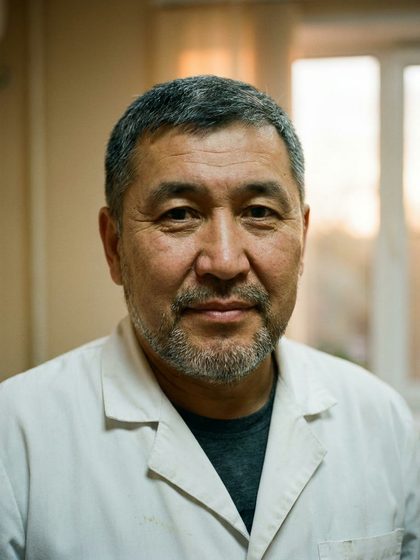
Alcohol detox and medical detoxification, withdrawal management, aversion therapy, treatment of alcohol and drug addiction, home visits.

Depression, bipolar disorder, schizophrenia and psychosis, dual diagnosis (addiction with a mental disorder), choosing and adjusting treatment.

Anxiety disorders, panic attacks, insomnia, OCD, psychiatric care for older adults and dementia, online consultations.

Cognitive behavioral therapy for anxiety, depression and panic attacks, addiction psychotherapy, stress and burnout.

Family and group therapy, intervention and treatment motivation, 12-step program, relapse prevention after rehab.
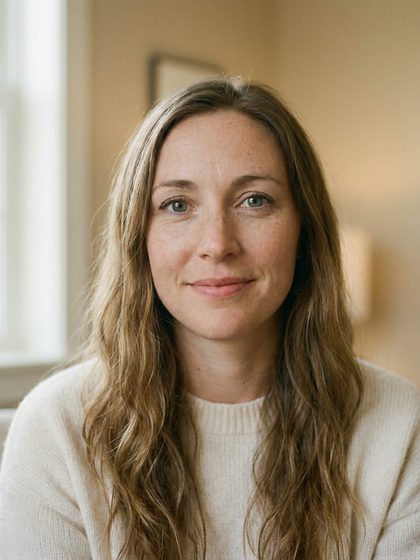
Counselling for families of people with addiction, codependency, support during rehab and reintegration.

Counselling for stress, anxiety and life crises, online sessions, support for teenagers and young adults.
Price list
| Alcohol detox at home | 24 990 ₸ |
| Hangover IV drip | 14 990 ₸ |
| Alcohol aversion therapy (coding) | 34 990 ₸ |
| Addiction doctor home visit | 20 000 ₸ |
| Psychiatrist consultation | 15 990 ₸ |
| Psychiatrist home visit | 35 000 ₸ |
| Online psychiatrist | 15 000 ₸ |
| Psychotherapist consultation | 14 990 ₸ |
| Psychologist consultation | 12 000 ₸ |
| Family therapy | 25 000 ₸ |
| Rehab center | 299 000 ₸ |
| Outpatient rehab | 120 000 ₸ |
| Phone consultation | free |
Prices are approximate: the doctor confirms the exact cost after the examination, before treatment starts.
Confidential
We do not register patients with state dispensaries or share information with employers. You do not have to give your surname; doctors arrive in unmarked cars. Medical confidentiality is protected by the Code of Kazakhstan “On Public Health and the Healthcare System”.
FAQ
I don’t know whether we need an addiction physician or a psychiatrist. What should I do?
That’s perfectly fine; we hear this question every day. Call us and describe the situation: the doctor on duty will ask some clarifying questions and suggest who to start with. Quite often, both are needed, for example when severe depression is combined with binge drinking. At Akalam, specialists work together, so you can’t knock on the wrong door: if needed, the doctor will bring in a colleague.
Will I be put on a registry?
No. Treatment is paid and anonymous, with no registration on the state dispensary registry. Information about the patient is protected by medical confidentiality under the Code of the Republic of Kazakhstan “On Public Health and the Healthcare System.” Exceptions to confidentiality are possible only in cases expressly provided for by law, for example in response to an official request from a court or investigative authorities.
Can a person be treated if they don’t agree to it?
An adult cannot be treated without their consent. Involuntary treatment is possible only by a court decision, in accordance with the procedure established by the laws of the Republic of Kazakhstan, and the clinic does not “take anyone away by force.” What can realistically be done: get a consultation for the family, learn how to talk without pressure, and have a motivational conversation. If a life is in danger, call 103 or 112.
What if we don’t live in Almaty or Astana?
For other cities, we offer online appointments with a psychiatrist, psychotherapist, addiction physician and psychologist: an initial assessment, consultations for relatives and ongoing support during treatment. If an examination, an IV drip or inpatient care is needed, we will discuss a doctor’s home visit or a move to one of our clinics. In acute situations, in any city, call your local ambulance service first: 103.
When should I call 103 right away instead of the clinic?
Call 103 or 112 immediately in case of loss of consciousness, seizures, chest pain, vomiting blood, suspected overdose, confusion with hallucinations after a drinking binge, suicidal thoughts or a suicide attempt, or aggression that puts others in danger. For children and teenagers, there is the 150 helpline. Once the person has been stabilized, we will help with further treatment.
How long does treatment take?
It depends on the goal. Alcohol detox after a binge takes anywhere from a few hours to a few days, finding the right treatment for depression usually takes several weeks, a course of psychotherapy takes several months, and inpatient rehab lasts from several weeks. The doctor will give you an exact timeframe after an examination, not over the phone: the plan is always tailored to the individual.
Sources and review
- ICD-10 and ICD-11: mental and behavioural disorders
- Clinical protocols of the Ministry of Health of Kazakhstan
- Code of Kazakhstan “On Public Health and the Healthcare System”
- WHO: mental health and substance use
- NICE and APA clinical guidelines