




Reviewed byAkalam medical editorial teamupdated 11.11.2026
I work as a doctor at our Astana clinic, and the capital has its own pattern of cases. Long winters, frosts down to minus thirty and short daylight hours mean that from November to March we see noticeably more people with low mood, insomnia and what they themselves call “drinking to warm up and fall asleep.” There are many rotational shift workers: a month of sober work at an oil or gas field, then a return home and a relapse within the first few days. And there are many civil servants and corporate employees for whom the main question is confidentiality.
We have two locations in Astana. Our offices at 145 Beibitshilik St., office 20 and 41 Zheltoksan St. are on the right bank, in the old part of the city, and are easy to reach from Saryarka, Baikonur and Almaty districts, and from the left bank via the bridges across the Yesil River. Our mobile teams work around the clock on both banks, including Yesil district and Nura district, and also travel to Kosshy, Koyandy, Talapker and nearby villages in Akmola Region. In a blizzard or icy conditions, the drive takes longer, and the doctor will let you know in advance.
We understand why many people in Astana put off calling: it’s not a big city, everyone knows each other, and people fear for their careers. That’s why treatment with us is paid and anonymous, with no registration on the state dispensary registry (the official record kept by state psychoneurological and narcological dispensaries), and patient information is protected by medical confidentiality under the Code of the Republic of Kazakhstan “On Public Health and the Healthcare System.” The doctor on duty on the phone helps you work out who to see (an addiction physician, psychiatrist, psychotherapist or psychologist) and which format is safer. We follow the clinical protocols of the Ministry of Health of the Republic of Kazakhstan and the ICD-10 criteria.
Who to see
Addiction physician in Astana: binge drinking, withdrawal, relapse after a rotation
People call an addiction physician for a drinking binge lasting more than two or three days, morning tremors, blood pressure spikes, or insomnia after giving up alcohol. A typical Astana situation: a man comes back from a rotation and, within a week, “falls off the wagon” after a month of sobriety. The doctor arrives, examines the patient and decides whether intoxication can be treated at home or inpatient care is needed. After that, the addiction physician discusses addiction treatment and maintenance options, but only after an examination and with the patient’s written consent.
Psychiatrist: winter depression, anxiety, acute conditions
You need a psychiatrist if low mood, apathy, insomnia or anxiety last more than two weeks and don’t lift even when spring comes; if panic attacks, suspiciousness or voices have appeared; or if an elderly relative has become forgetful and confused. The psychiatrist carries out an examination, makes a diagnosis according to ICD-10 and selects treatment. Seasonal mood changes are a common complaint in Astana, and they are treatable. If there are suicidal thoughts or dangerous aggression, call 112.
Psychotherapist: working on causes, not just symptoms
A psychotherapist is the right choice for those who want to understand why relapses keep happening, and how to cope with pressure at work, loneliness during long separations from family, or burnout. We provide CBT, family and group therapy. For rotational workers, a mixed format works well: in-person sessions between rotations and online sessions from the work site, if there is a connection. A psychotherapist is a medical doctor and, when needed, works together with a psychiatrist and an addiction physician.
Psychologist and rehab: support for the family and the path to sobriety
A psychologist counsels wives and parents who live with a person with addiction, and works with teenagers, stress and family crises. A psychologist does not make diagnoses or prescribe medication, and will refer you to a doctor if there are signs of illness. Rehab is needed after detox, when sobriety doesn’t hold without structure: an inpatient program based on the 12-step model, outpatient rehab that fits around work, or resocialization with a return to everyday life.
First call and appointment
The administrator will confirm the address: the bank of the river, district, microdistrict or village (Kosshy, Koyandy, Talapker). The doctor on duty will ask about the patient’s age, what is happening and for how many days, when they last used, any chronic illnesses and medications, and whether there have been seizures, hallucinations or injuries. If the person is outdoors or in an unheated building in winter, say so right away: hypothermia is dangerous, and this calls for 103. Have discharge summaries and medication packages ready.
The team arrives in ordinary clothes in an unmarked car. In Astana, this is especially important for those who live in housing provided by government agencies. The doctor examines the patient, measures blood pressure and pulse, does an ECG if needed, and decides whether treatment at home is safe. An IV drip and monitoring take several hours. The first appointment at the clinic on 145 Beibitshilik St., office 20 or 41 Zheltoksan St. lasts 40–90 minutes: a conversation, an examination, rapid tests if needed, and then a treatment plan.
- 01Call or WhatsAppThe administrator and the doctor on duty clarify the situation and tell you what to do right now.
- 02Examination or consultationThe doctor visits your home, sees you at the clinic or joins by video.
- 03Treatment planWe choose the format — at home, inpatient, psychotherapy or rehab — with a clear price.
- 04Ongoing supportYour doctor and psychotherapist stay in touch: follow-ups, family support and relapse prevention.
What happens next
The first few days
The first few days are about relieving intoxication and withdrawal and restoring sleep, nutrition and fluid balance. If treatment takes place at home, the doctor leaves written recommendations and a contact number, and comes back if things get worse. Confusion, seizures and hallucinations are reasons for inpatient care; if there is a threat to life, call 103. In winter, we ask relatives to make sure the person doesn’t go outside alone during this period: the risk of hypothermia is high.
The first month
The first month determines whether sobriety will last. For rotational workers, we plan treatment so that the key stages fall during their time at home, while online support and a clear plan remain in place during the rotation. The psychiatrist monitors how the prescribed treatment is working, the psychotherapist begins regular sessions, and for addiction, maintenance options and outpatient rehab are discussed. We offer the family counseling on codependency.
Beyond the first month
After that, what matters is supportive psychotherapy, groups, follow-up visits to the psychiatrist during long-term treatment, and a relapse plan: what to do in the first hours and whom to call. We prepare in advance for difficult periods: the first winter after treatment, holidays, coming back from a rotation. Recovery takes months, and we stay in touch, including online, if you have gone to work in another region.
Our specialists
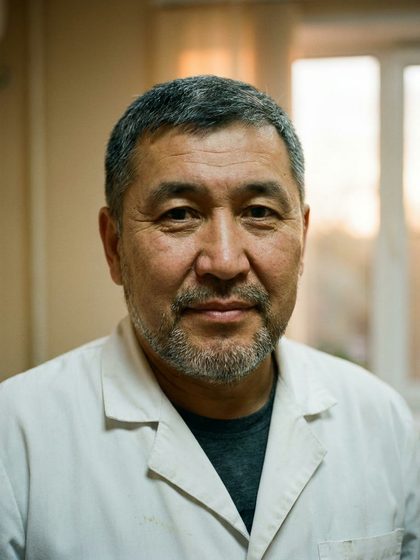
Alcohol detox and medical detoxification, withdrawal management, aversion therapy, treatment of alcohol and drug addiction, home visits.

Depression, bipolar disorder, schizophrenia and psychosis, dual diagnosis (addiction with a mental disorder), choosing and adjusting treatment.

Anxiety disorders, panic attacks, insomnia, OCD, psychiatric care for older adults and dementia, online consultations.
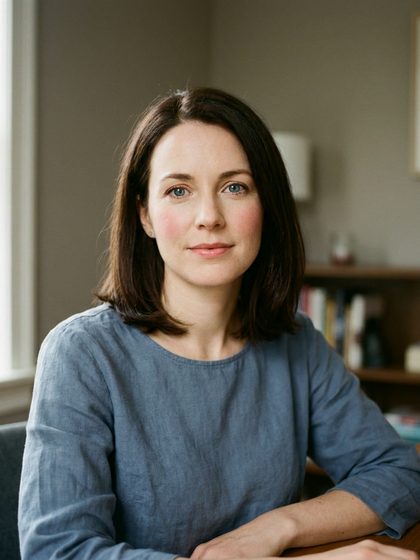
Cognitive behavioral therapy for anxiety, depression and panic attacks, addiction psychotherapy, stress and burnout.

Family and group therapy, intervention and treatment motivation, 12-step program, relapse prevention after rehab.
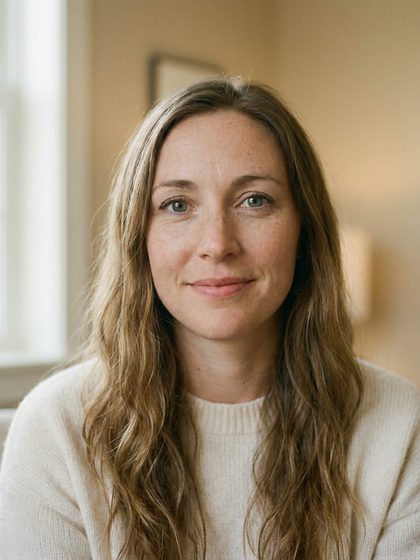
Counselling for families of people with addiction, codependency, support during rehab and reintegration.

Counselling for stress, anxiety and life crises, online sessions, support for teenagers and young adults.
Price list
| Alcohol detox at home | 24 990 ₸ |
| Hangover IV drip | 14 990 ₸ |
| Alcohol aversion therapy (coding) | 34 990 ₸ |
| Addiction doctor home visit | 20 000 ₸ |
| Psychiatrist consultation | 15 990 ₸ |
| Psychiatrist home visit | 35 000 ₸ |
| Online psychiatrist | 15 000 ₸ |
| Psychotherapist consultation | 14 990 ₸ |
| Psychologist consultation | 12 000 ₸ |
| Family therapy | 25 000 ₸ |
| Rehab center | 299 000 ₸ |
| Outpatient rehab | 120 000 ₸ |
| Phone consultation | free |
Prices are approximate: the doctor confirms the exact cost after the examination, before treatment starts.
Confidential
We do not register patients with state dispensaries or share information with employers. You do not have to give your surname; doctors arrive in unmarked cars. Medical confidentiality is protected by the Code of Kazakhstan “On Public Health and the Healthcare System”.
FAQ
How quickly can a doctor get to the left bank or to Kosshy?
Within the city, usually in an hour to an hour and a half; to Kosshy, Koyandy and Talapker it takes longer, especially in a blizzard or icy conditions. The doctor on duty will give you the exact time when you call. If, while you wait, the person loses consciousness, has seizures or chest pain, or has been out in the cold for a long time, don’t wait: call 103.
I’m a civil servant. Will my workplace find out about my treatment?
Treatment at Akalam is paid and anonymous, with no registration on the state dispensary registry. Patient information is protected by medical confidentiality under the Code of the Republic of Kazakhstan “On Public Health and the Healthcare System”; we do not share it with your employer and do not issue certificates unless you ask for them. Disclosure is possible only in cases expressly provided for by law.
My husband came back from his rotation and has been drinking for a week. What should I do?
If he agrees to be examined, call an addiction physician to your home: the doctor will assess his condition and treat the intoxication. If he doesn’t agree, call us yourself: the doctor will advise you on how to talk to him and when to offer help again. An adult cannot be treated without consent. In case of confusion, hallucinations or seizures after stopping alcohol, call 103 immediately.
Is winter depression real, or is it just tiredness?
Seasonal low mood is a real condition, and it is described in international classifications. If low mood, drowsiness, sugar cravings and loss of interest come back every winter and get in the way of work, it’s worth seeing a psychiatrist. The psychiatrist will distinguish a seasonal episode from other types of depression and select treatment: psychotherapy and, if needed, medication as prescribed.
Can I get treatment online while I’m on a rotation?
Partly, yes. By video, a psychiatrist or psychotherapist can provide consultations, support you through treatment and help you get through a difficult period away from home. But a drinking binge can’t be treated, psychosis can’t be assessed and some treatments can’t be started online: these require an in-person examination. We usually build the plan so that the in-person stages fall during your time off between rotations.
Which clinic should I choose: 145 Beibitshilik St., office 20 or 41 Zheltoksan St.?
Both offer the same range of care: addiction physician, psychiatrist, psychotherapist and psychologist. Choose based on which is easier to get to: both clinics are on the right bank, in the old part of the city. The inpatient unit and rehab are shared by both Akalam clinics, and a single treatment history is kept.
Sources and review
- ICD-10 and ICD-11: mental and behavioural disorders
- Clinical protocols of the Ministry of Health of Kazakhstan
- Code of Kazakhstan “On Public Health and the Healthcare System”
- WHO: mental health and substance use
- NICE and APA clinical guidelines