
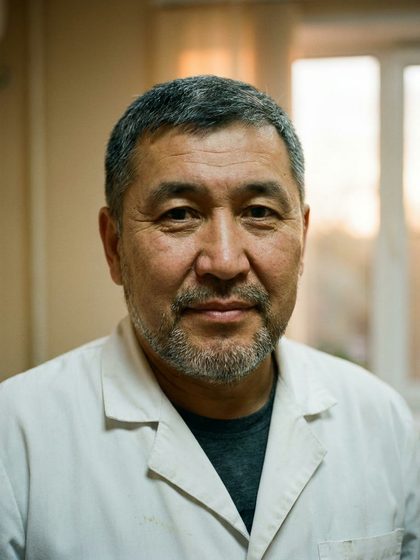
Reviewed byBaurzhan Kassymov, MDAddiction physician · updated 11.11.2026
Key facts
- ICD-10 code
- F10.2
- Who provides care
- An addiction physician leads the treatment plan, working with a psychotherapist, a psychologist and, when needed, a psychiatrist and an internist
- Where
- Clinics in Almaty and Astana with inpatient and outpatient care; in other cities of Kazakhstan — doctor home visits and online follow-up
- Duration
- Detox takes a few days, stabilization 2–4 weeks, and the relapse-prevention program from several months to a year
- Anonymity
- Paid, anonymous treatment with no registration in the state narcology dispensary registry and full medical confidentiality
- When it is urgent
- Seizures, hallucinations, confusion, chest pain or vomiting blood — call 103 or 112 immediately
- Outcome
- Stable remission, restored sleep and well-being, and a clear action plan for cravings and high-risk moments
What to know
When a family comes to me for the first time asking “how do we cure alcoholism,” they usually expect one solution: an IV drip, an injection or “coding.” I explain calmly: alcohol dependence syndrome (F10.2 in ICD-10) is a chronic condition, and only a comprehensive approach works. First we deal with the acute effects of a drinking binge, then we stabilize sleep, blood pressure, liver function and mood, and only after that do we move on to the main task — staying sober.
Each stage solves its own problem, and skipping any of them usually ends in relapse. At Akalam, we rely on the clinical protocols of the Ministry of Health of the Republic of Kazakhstan and on WHO and NICE guidelines: medication support is combined with psychotherapy, and the family receives clear, practical guidance. I always tell patients directly: we do not promise to “cure you forever,” but we can help you achieve stable remission if you take an active part in treatment and do not face the illness alone.
When It Is Time to Start Treatment Instead of Waiting
- without a drink in the morning, the hands shake, the body sweats and the heart pounds
- the amount of alcohol keeps growing, and the usual quantity no longer has the same effect
- drinking binges keep recurring, and the person cannot stop them on their own
- promises to “quit for good” are broken within days or weeks
- work, finances, a driver’s license and family life are suffering because of alcohol
- there are memory blackouts about what happened while drinking
- the person keeps drinking even though doctors have already warned about liver or blood pressure problems
If life is at risk — loss of consciousness, seizures, hallucinations, overdose, suicidal thoughts — call 103 or 112. Helpline for children and young people: 150.
Why Alcoholism Does Not Go Away on Its Own and What Causes Relapse
Dependence develops at the level of the brain: alcohol becomes built into the reward system and the way the body regulates stress. Over time, the person feels physically and emotionally unwell without it, and a drink starts to feel like medicine. That is why willpower alone rarely helps — cravings arise automatically, especially when the person is tired, in conflict, sleeping poorly or with their usual drinking companions.
On top of biology come heredity, anxiety and depression that a person may have been “treating” with alcohol for years, as well as an environment where drinking is considered normal. If nothing changes after detox, all of these factors stay in place and pull the person back to the bottle. This is exactly why our treatment plan addresses not only the body but also the reasons the person was drinking in the first place.
How Alcoholism Treatment at the Clinic Works, Step by Step
The first step can be taken online: relatives or the patient tell the doctor how long the drinking has lasted, about any chronic illnesses and about previous attempts at treatment. Next comes an in-person examination: blood pressure, pulse, an ECG, blood tests and an assessment of liver function and mental state. Based on the results, the addiction physician recommends a format: detox at home or in the hospital, followed by outpatient visits, psychotherapy and, if indicated, relapse-prevention medication.
Treatment must not be started at home after a long, heavy binge, with a history of seizures, signs of delirium, serious heart or liver disease, or during pregnancy — in these cases inpatient care is required. Alcohol “coding” (a treatment widely used in Kazakhstan and CIS countries) and other relapse-prevention methods are used only after an examination, the required period of sobriety and written consent. If there is a threat to life, do not wait for the clinic’s doctor — call 103 or 112.
How we help
Detox and stabilization
We start by clearing alcohol breakdown products from the body and correcting fluid and electrolyte balance: IV detox solutions, B vitamins, liver-protecting medications and, when needed, medication for sleep and anxiety — strictly as prescribed by the doctor. The goal of this stage is to get through withdrawal safely and restore the person’s ability to think clearly about further treatment.
Relapse-prevention medication
After stabilization, the doctor discusses with the patient medications that reduce cravings or make drinking unpleasant. The choice depends on liver health, other medical conditions and the person’s own preferences. This is not a magic pill but a support for the first months of sobriety, and we review it regularly at follow-up appointments.
Addiction psychotherapy
A psychotherapist helps the person understand which situations trigger cravings and teaches them how to cope: recognizing triggers, planning weekends, saying no in company and getting through stress without alcohol. We use cognitive behavioral therapy (CBT) and motivational approaches recommended by international guidelines.
Family work and ongoing support
Relatives receive counseling on how to support sobriety without control and reproach. After the main course, we continue appointments with the doctor and psychologist: the risk of relapse is highest in the first months, and regular contact helps spot warning signs in time and adjust the plan together with the patient and family.
How treatment works
- 01Call or WhatsAppThe administrator and the doctor on duty clarify the situation and tell you what to do right now.
- 02Examination or consultationThe doctor visits your home, sees you at the clinic or joins by video.
- 03Treatment planWe choose the format — at home, inpatient, psychotherapy or rehab — with a clear price.
- 04Ongoing supportYour doctor and psychotherapist stay in touch: follow-ups, family support and relapse prevention.
Myths and facts
MythOne IV drip is enough
FactAn IV drip relieves the after-effects of a binge, but it does not change the dependence. Without the next stage — relapse-prevention therapy and psychotherapy — cravings come back, and the person often starts drinking again within a few weeks.
MythAlcoholism is a weakness of character
FactDependence syndrome is described as a disease in ICD-10 and ICD-11. Shame and blame usually get in the way of treatment, while a respectful conversation and a clear medical plan help a person agree to accept help.
MythIf you relapse, the treatment did not work
FactRelapse is a common part of the journey with a chronic illness. What matters is to see a doctor quickly, work out what led to it and adjust the plan rather than give up on treatment. Many people reach stable remission precisely after such a review.
Prices: Alcoholism treatment
| Alcoholism treatment | 60 000 ₸ |
| Addiction doctor home visit: examination and advice | 20 000 ₸ |
| Repeat IV drip the next day | 20 000 ₸ |
| 24 hours in the inpatient unit | 45 000 ₸ |
| Phone consultation | free |
Prices are approximate: the doctor confirms the exact cost after the examination, before treatment starts.
Confidential
We do not register patients with state dispensaries or share information with employers. You do not have to give your surname; doctors arrive in unmarked cars. Medical confidentiality is protected by the Code of Kazakhstan “On Public Health and the Healthcare System”.
Clinic addresses
FAQ
Can alcoholism be treated without the person’s consent?
An adult cannot be treated without their consent: involuntary treatment is possible only by court decision under the procedure established by the law of the Republic of Kazakhstan. Relatives can see an addiction physician or a psychologist, learn how to talk without conflict and call a doctor once the person agrees to at least an examination.
How long does treatment take?
Detox after a binge takes from one to several days, and stabilization about two to four weeks. The relapse-prevention program lasts several months, and with a long drinking history — up to a year or longer. The doctor gives an exact timeline after the examination, because it depends on the person’s health and how long they have been drinking.
Is hospital admission required?
No. Many patients are treated as outpatients: detox at home, then clinic visits and psychotherapy. Inpatient care is needed after a heavy binge, with a history of seizures or psychosis, with serious heart or liver disease, and when it is impossible to stay away from alcohol at home.
What should I bring to the first appointment?
An ID document for the service contract, medical records and test results if you have them, a list of the medications the person takes, and information about chronic illnesses and allergies. It helps to write down in advance how long and how much the person has been drinking, and whether there have been seizures, head injuries or previous attempts at treatment.
Will my employer find out about the treatment?
At Akalam, treatment is provided on a paid, anonymous basis with no registration in the state dispensary registry. All information is protected by medical confidentiality under the Code of the Republic of Kazakhstan “On Public Health and the Healthcare System” and is disclosed only in cases expressly provided for by law.
Can we get treatment if we do not live in Almaty or Astana?
Yes. We hold the initial consultation and prepare for treatment online, and in a number of cities a doctor can visit you. After that, the patient is supported via video calls, and if inpatient care is needed, we help arrange admission to one of our clinics.
Sources and review
Prepared by the Akalam medical editorial team based on:
- ICD-10 and ICD-11: mental and behavioural disorders
- Clinical protocols of the Ministry of Health of Kazakhstan
- Code of Kazakhstan “On Public Health and the Healthcare System”
- WHO: mental health and substance use
- NICE and APA clinical guidelines
This information is for reference and does not replace a doctor's consultation. Editorial policy