
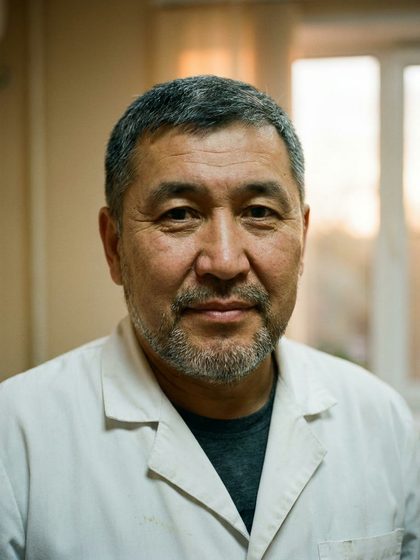
Reviewed byBaurzhan Kassymov, MDAddiction physician · updated 11.11.2026
Key facts
- ICD-10 code
- F10.2
- Who provides care
- an addiction physician and a psychotherapist, plus a psychiatrist and an internist when needed; each patient has a dedicated lead physician
- Where
- the Akalam clinic in Almaty, home visits across all city districts and suburbs, and online check-ins between visits
- Duration
- an active phase of 1–3 months, followed by maintenance follow-up for at least a year, with sessions gradually spaced out
- Anonymity
- paid anonymous treatment with no entry in the state dispensary registry; medical confidentiality under the Code of the Republic of Kazakhstan “On Public Health and the Healthcare System”
- When it is urgent
- seizures, confusion, hallucinations, chest pain, or vomiting blood: call 103 or 112 immediately
- Outcome
- stable sobriety, a clear action plan for cravings, and restored sleep, work life, and family relationships
What to know
Over my years of practice in Almaty, I keep seeing the same picture: a family calls after yet another relapse and asks us to “put him on a drip and code him,” and six months later it all happens again. An IV drip clears away the aftermath, but it does not change the dependence itself. Treating alcoholism means working on why a person drinks, how the body has rewired itself over years of drinking, and what will keep that person sober once they are back in the traffic on Al-Farabi Avenue, at office parties, and at Friday get-togethers with friends.
We begin with an honest assessment: the stage of dependence, the condition of the liver, heart, and nervous system, any co-occurring anxiety or depression, and the person’s social situation. Then the physician proposes a plan for the coming months: which medications from the anti-craving groups are appropriate specifically for you, how many sessions with a psychotherapist are needed, and how to involve the family. The plan is reviewed along the way: remission is a process, and it includes difficult weeks that are better prepared for in advance.
When It Is Time to Get Treatment Instead of “Quitting on Your Own”
- promises to drink less are not kept, and the amount you drink gets out of control
- in the morning you need a drink to ease the shaking, anxiety, or nausea
- binges are getting longer, and the sober stretches between them are getting shorter
- drinking is crowding out work, sports, trips to the mountains, and time with family
- you have memory blackouts about what happened in the evening and feel ashamed the next morning
- attempts to quit come with insomnia, sweating, and irritability
- loved ones have already raised the problem, and you get irritated or hide how much you drink
If life is at risk — loss of consciousness, seizures, hallucinations, overdose, suicidal thoughts — call 103 or 112. Helpline for children and young people: 150.
Why Willpower Alone Cannot Cure Alcoholism
Alcohol dependence is a chronic brain disorder in which the reward system starts working differently: alcohol becomes the main way to relieve tension and feel pleasure. Over time, a person needs more to get the same effect, and without it withdrawal sets in. That is why determination alone is usually not enough, especially when there are constant occasions to drink and alcohol is always within reach.
People living in a big city face additional factors: chronic stress, overtime, night shifts, the loneliness of students who have moved from other regions, and the habit of “unwinding” after a long commute home. Very often, drinking masks an anxiety disorder, depression, or sleep problems. If these are not treated at the same time, the risk of relapse stays high, which is why we assess mental health from the very first appointment.
How the Treatment Program Works, Step by Step
Before the visit, you can have a video call: the physician will ask how long the drinking has been going on, about chronic illnesses and current medications, and will tell you which tests to take in advance. The first in-person appointment includes an examination, blood pressure measurement, an ECG, a liver assessment, and a conversation about motivation. If the person is still drinking, they are first helped to stop safely; then maintenance therapy is selected, psychotherapy sessions are scheduled, and the family receives a separate consultation.
Outpatient treatment is not suitable if there have been seizures or alcohol-induced psychosis during withdrawal in the past, if there is serious heart or liver disease or poorly controlled diabetes, or if the person will keep drinking at home. In those cases, we recommend starting in the inpatient unit. If there is confusion, hallucinations, seizures, or chest pain, call 103 or 112: this is not a situation for a scheduled appointment.
How we help
Medication support
The physician may prescribe medications from the groups that reduce alcohol cravings, as well as treatments to restore sleep, liver function, and the nervous system, but only after an examination and lab tests. The choice depends on co-occurring conditions and on the patient’s goals: complete abstinence or gradual reduction. International guidelines from NICE and the WHO regard this kind of therapy as part of comprehensive treatment, not as a stand-alone solution.
Psychotherapy
Cognitive behavioral therapy (CBT) and motivational interviewing help people recognize their own triggers: a Friday evening, a conflict at work, loneliness in a rented apartment. Patients learn to plan ahead for what to do when a craving hits, how to say no in company, and how to cope with anxiety without alcohol. This usually means weekly sessions over several months, and some of them can be held online.
Working with the family
Loved ones often unintentionally enable the dependence: they cover for the person with the employer, pay off debts, and monitor every step. In family consultations, we explain how to support sobriety without policing and reproaches, what to do in case of a relapse, and how to take care of yourself. This lowers tension at home and improves the chances of lasting remission.
Follow-up and relapse prevention
After the active phase, appointments become less frequent but do not stop: the physician monitors how the patient feels, adjusts therapy, and discusses difficult situations. We draw up a personal relapse plan in advance so that a single episode does not turn into a long binge. When needed, alcohol “coding” (aversion therapy widely used in Kazakhstan and CIS countries), mutual-help groups, or a rehab program are added.
How treatment works
- 01Call or WhatsAppThe administrator and the doctor on duty clarify the situation and tell you what to do right now.
- 02Examination or consultationThe doctor visits your home, sees you at the clinic or joins by video.
- 03Treatment planWe choose the format — at home, inpatient, psychotherapy or rehab — with a clear price.
- 04Ongoing supportYour doctor and psychotherapist stay in touch: follow-ups, family support and relapse prevention.
Myths and facts
MythIf you only drink beer or only on weekends, it is not alcoholism
FactThe diagnosis is not based on the type of drink or the day of the week, but on loss of control, cravings, withdrawal, and the consequences for a person’s life. Weekly drinking sessions that last for hours, followed by hangovers and promises of “never again,” are a reason to see an addiction physician.
MythGetting “coded” is enough, and the problem is solved
FactCoding can be one of the tools, but without addressing the reasons for drinking and building the skills of sober living, the risk of relapse remains. We consider it only as part of an overall plan and after a full examination.
MythAlcoholism can be cured in a week
FactIn a week, you can stop drinking safely and stabilize your condition. Changing habits and restoring sleep and relationships takes months, which is why follow-up is planned for at least a year.
Prices: Alcoholism treatment
| Alcoholism treatment | 60 000 ₸ |
| Addiction doctor home visit: examination and advice | 20 000 ₸ |
| Repeat IV drip the next day | 20 000 ₸ |
| 24 hours in the inpatient unit | 45 000 ₸ |
| Phone consultation | free |
Prices are approximate: the doctor confirms the exact cost after the examination, before treatment starts.
Confidential
We do not register patients with state dispensaries or share information with employers. You do not have to give your surname; doctors arrive in unmarked cars. Medical confidentiality is protected by the Code of Kazakhstan “On Public Health and the Healthcare System”.
Clinic addresses
FAQ
Can I get treatment without taking time off work?
Yes. Most of our patients in Almaty are treated as outpatients and combine treatment with work. Appointments can be scheduled early in the morning or in the evening, and some sessions can be held online. Sick leave is issued only when medically indicated, and the anonymous format means you do not have to tell your employer why you are seeing a doctor.
What if the person does not want treatment?
An adult cannot be treated without consent, except in cases provided for by the law of the Republic of Kazakhstan and by a court decision. Relatives can come to a consultation on their own: the physician will explain how to talk about the problem without ultimatums and when to suggest an examination. Consent often comes after a calm conversation rather than after a big fight.
How much does alcoholism treatment cost?
The cost depends on the scope of the program: whether detox or an inpatient stay is needed, how many psychotherapy sessions are planned, and which tests are required. After the initial consultation, the physician draws up a plan and tells you its price in advance. Current prices for individual services are listed in the price list on our website.
Do I have to give up alcohol completely?
For people with severe dependence, complete sobriety is the safest option. In some early-stage cases, controlled reduction may be discussed, but that decision is made together with the physician after the risks have been assessed. Experimenting on your own with “moderate” drinking often ends with a return to the previous level.
Will my employer or the military enlistment office find out?
No. At Akalam, treatment is anonymous, with no entry in the state dispensary registry. Your information is protected by medical confidentiality and can be disclosed only in cases expressly provided for by law, for example at the request of a court. You can register under a pseudonym and pay for services without stating your place of work.
What happens if I relapse?
A relapse is a common part of the road to remission, not a failure of treatment. The important thing is to tell your physician right away: we will adjust the therapy, help you stop drinking safely if needed, and work out what triggered it. The sooner you call, the shorter the episode will be and the less harm it will do to your health.
Sources and review
Prepared by the Akalam medical editorial team based on:
- ICD-10 and ICD-11: mental and behavioural disorders
- Clinical protocols of the Ministry of Health of Kazakhstan
- Code of Kazakhstan “On Public Health and the Healthcare System”
- WHO: mental health and substance use
- NICE and APA clinical guidelines
This information is for reference and does not replace a doctor's consultation. Editorial policy