
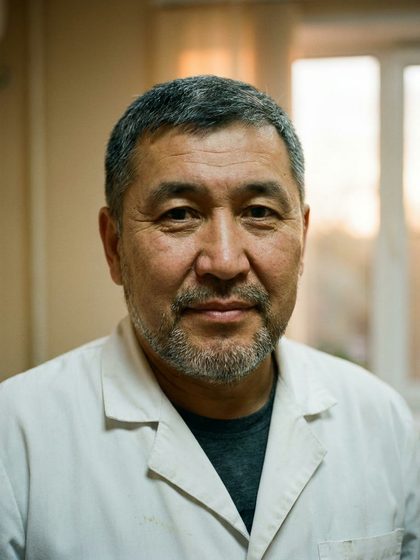
Reviewed byBaurzhan Kassymov, MDAddiction physician · updated 11.11.2026
Key facts
- Who provides care
- an addiction physician with a nurse, plus a psychiatrist consultation when needed
- Where
- home visits across the districts of Almaty and its suburbs, or the Akalam inpatient unit with round-the-clock monitoring
- Duration
- the acute phase usually lasts 3 to 7 days; residual sleep and mood problems last for several weeks
- Anonymity
- anonymous and with no registration; the team arrives without any identifying markings
- When it is urgent
- seizures, loss of consciousness, slow breathing, psychosis, or suicidal thoughts: call 103 or 112
- Outcome
- relief of withdrawal symptoms, restored sleep, and a transition to addiction treatment
What to know
Calls about withdrawal most often come at night: a relative sees that the person is shaking, their bones ache, they cannot sleep, and they are pacing restlessly around the apartment. The first impulse is to give them “something stronger” from the home medicine cabinet. That is dangerous: combining medications without a doctor can lead to respiratory depression. The right step is to call an addiction physician or, if there is a threat to life, an ambulance at 103, and until help arrives, stay with the person and do not give them any pills.
Withdrawal syndrome is the reaction of a brain and body that have become used to a substance. It is agonizing, but in most cases it can be endured under medical supervision if help is sought in time and the person is not left alone. Our task is to relieve the most severe symptoms, prevent complications, protect sleep, and, importantly, use this moment, when the person most wants to be free of suffering, to offer them further treatment for their addiction.
Symptoms of Drug Withdrawal
- aching muscles and joints, a feeling of the body being twisted
- chills alternating with fever, heavy sweating, and “goosebumps”
- runny nose, watery eyes, frequent sneezing, and constant yawning
- nausea, vomiting, cramping abdominal pain, and diarrhea
- insomnia, severe anxiety, restlessness, and being unable to sit still
- irritability, low mood, and thoughts focused only on how to get the substance
- a rapid pulse, blood pressure spikes, and dilated pupils
If life is at risk — loss of consciousness, seizures, hallucinations, overdose, suicidal thoughts — call 103 or 112. Helpline for children and young people: 150.
Why Withdrawal Happens and Why It Is Dangerous
With regular use, the body rebuilds the way its own systems regulate pain, mood, and sleep, adapting to the constant presence of the substance. When the supply stops, these systems temporarily lose their balance. That is where the pain, insomnia, anxiety, and autonomic symptoms come from. How severe they are depends on the substance, how long it has been used, and the person’s overall health.
Withdrawal itself is rarely life-threatening, but its complications are dangerous: dehydration from vomiting and diarrhea, heart rhythm disturbances, flare-ups of chronic illnesses, severe depression, and suicidal thoughts. The greatest risk is trying to ease the condition by using again: after a break, tolerance drops, and the usual amount can cause an overdose. That is why it is important not to be alone during this period.
How Withdrawal Relief Works: Home Visit and Monitoring
When you call, the on-duty physician asks what was taken and how long ago, whether there are chronic illnesses, and decides whether a home visit is enough. Within Almaty, the team usually arrives in 40–90 minutes depending on the district and traffic; it takes longer to reach Kaskelen and Talgar. On site, the physician measures blood pressure, pulse, and oxygen saturation, sets up an IV drip with solutions and symptom-relieving medications, leaves recommendations, and arranges a follow-up visit or a transfer to the inpatient unit.
Withdrawal must not be managed at home if several substances were used at the same time, if there have been seizures in the past, or if there is serious heart, liver, or kidney disease, pregnancy, psychotic symptoms, or suicidal thoughts. An inpatient stay is also needed if there is no adult at home who can stay with the person. In case of loss of consciousness, slow breathing, bluish lips, or seizures, call 103 immediately: these are signs of a dangerous condition.
How we help
IV fluid therapy
An IV drip with solutions restores the fluid and electrolyte balance disrupted by vomiting, sweating, and diarrhea, and reduces intoxication. The physician adds B vitamins, liver-protecting agents, and anti-nausea medications to the drip. The volume and composition are tailored to the person’s condition, blood pressure, and lab results.
Symptom-relief treatment
To relieve pain, anxiety, and insomnia, the physician may prescribe medications from various groups, including tranquilizers, but only after an examination and taking into account the risk of interactions. The goal is not to “knock the person out,” but to make the condition bearable and safe while keeping breathing and consciousness under control. The physician reviews the regimen at every visit as the symptoms ease.
Inpatient monitoring
In the inpatient unit, pulse, blood pressure, breathing, and mood are monitored around the clock, and therapy is adjusted as symptoms change. This is important in severe cases and when there is a risk of relapse: the person is in a safe environment with no access to the substance. A stay usually lasts several days, and relatives can visit by arrangement with the physician.
Transition to addiction treatment
Withdrawal relief is only the first step. While still in the inpatient unit or at a follow-up visit, the physician discusses the next steps with the patient and the family: relapse prevention therapy, psychotherapy, a rehab center. Without this stage, the risk of returning to drug use is high in the very first weeks, when the body has already recovered but the cravings are still strong.
How treatment works
- 01Call or WhatsAppThe administrator and the doctor on duty clarify the situation and tell you what to do right now.
- 02Examination or consultationThe doctor visits your home, sees you at the clinic or joins by video.
- 03Treatment planWe choose the format — at home, inpatient, psychotherapy or rehab — with a clear price.
- 04Ongoing supportYour doctor and psychotherapist stay in touch: follow-ups, family support and relapse prevention.
Myths and facts
MythYou can sit out withdrawal at home with painkillers from the pharmacy
FactSelf-treatment is dangerous: a combination of medications can suppress breathing, while autonomic symptoms and dehydration go unmonitored. In addition, without support many people cannot hold out and use again, which after a break carries the risk of an overdose.
MythOnce withdrawal is over, the addiction is gone
FactAcute symptoms subside within days, but cravings and sleep and mood problems persist for weeks and months. Without further treatment, most people return to using, which is why detox is only the beginning of the program.
MythThe doctor is required to report the patient to the police
FactSeeking medical help is protected by medical confidentiality. At a private clinic, treatment is anonymous, with no registration; exceptions are possible only in cases expressly provided for by the law of the Republic of Kazakhstan.
Prices: Drug withdrawal treatment
| Drug withdrawal treatment | 50 000 ₸ |
| Addiction doctor home visit: examination and advice | 20 000 ₸ |
| Repeat IV drip the next day | 20 000 ₸ |
| 24 hours in the inpatient unit | 45 000 ₸ |
| Phone consultation | free |
Prices are approximate: the doctor confirms the exact cost after the examination, before treatment starts.
Confidential
We do not register patients with state dispensaries or share information with employers. You do not have to give your surname; doctors arrive in unmarked cars. Medical confidentiality is protected by the Code of Kazakhstan “On Public Health and the Healthcare System”.
Clinic addresses
FAQ
How quickly will a physician arrive in Almaty?
The team usually arrives within 40–90 minutes: faster in the central Almaly and Medeu districts, and longer in the Alatau and Nauryzbay districts and during evening rush hour. Travel time to the suburbs, such as Boralday or Otegen Batyr, is longer. The on-duty physician will give you an estimate when you call.
How long does withdrawal last?
The acute phase usually lasts three to seven days, with symptoms peaking in the first two to three days. Sleep problems, anxiety, low mood, and cravings can persist for several weeks. The exact timeline depends on the substance, how long it was used, and the person’s overall health.
Can withdrawal be treated without the person’s consent?
No, medical care is provided to an adult with their consent. The exception is a threat to life, when the 103 ambulance team acts on emergency grounds. Relatives can call a physician if the person agrees to at least an examination, and they can get advice on how to talk to them.
What should I prepare before the physician arrives?
Put medications and alcohol out of reach and prepare a list of chronic illnesses and current medications; documents are not required. Make sure the person can rest and give them fluids in small sips. Do not give them sleeping pills or painkillers on your own. If their condition worsens before the team arrives, call 103.
Which is better: a home visit or an inpatient stay?
A home visit is suitable for moderate symptoms, when there are no dangerous complications and someone can stay with the person at home. An inpatient stay is preferable for severe withdrawal, use of multiple substances, heart disease, a risk of relapse, or suicidal thoughts. At Akalam, the physician recommends the format after an examination.
What should we do after withdrawal is over?
Discuss an addiction treatment plan with the physician: relapse prevention therapy, psychotherapy, and a rehab program. The first weeks are the period of highest relapse risk, so it is important not to stop follow-up. The family should also get a consultation on how to support the person.
Sources and review
Prepared by the Akalam medical editorial team based on:
- ICD-10 and ICD-11: mental and behavioural disorders
- Clinical protocols of the Ministry of Health of Kazakhstan
- Code of Kazakhstan “On Public Health and the Healthcare System”
- WHO: mental health and substance use
- NICE and APA clinical guidelines
This information is for reference and does not replace a doctor's consultation. Editorial policy