
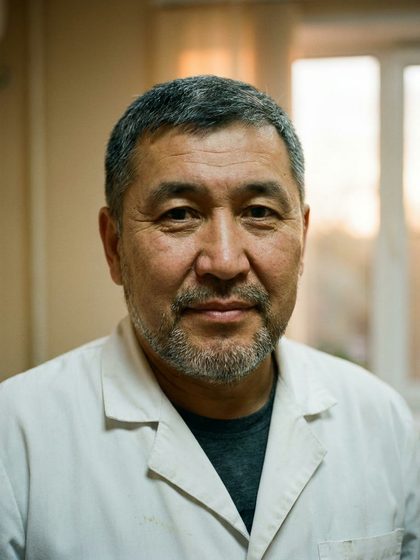
Reviewed byBaurzhan Kassymov, MDAddiction physician · updated 11.11.2026
Key facts
- Who provides care
- the clinic’s addiction physician, psychiatrist, psychotherapist, and psychologist, all of whom sign a medical confidentiality agreement
- Where
- the Akalam clinic in Almaty, home visits in unmarked cars and plain clothes, and online consultations
- Duration
- anonymity covers the entire course of care, from a single consultation to a year of follow-up support
- Anonymity
- no registry, no passport, any name you choose; disclosure only in cases expressly provided for by law
- When it is urgent
- a threat to life, such as loss of consciousness, seizures, psychosis, or suicidal thoughts: call 103 or 112
- Outcome
- full addiction treatment with no consequences for your job, studies, or reputation
What to know
The question I hear most often in the first minutes of a conversation is not about health but about consequences: “Will I be put on the registry? Will my employer find out? Will I lose my driver’s license?” Fear of exposure keeps people away from treatment for years. This is especially true in Almaty, where everyone in a given profession seems to know everyone else, and for an IT specialist, a lawyer, or a teacher, reputation is their most valuable asset. That is why anonymity deserves an honest and detailed explanation.
Anonymous treatment is not a gray-zone service, and it does not mean lower quality. It is a legal form of paid medical care in which the clinic does not place the patient on the state addiction (dispensary) registry and does not share any information with an employer, a school or university, or the military enlistment office. At the same time, anonymity has clear limits set by law. I will explain what it gives you, which documents cannot be issued under it, and how confidentiality is protected at every stage of treatment.
Who Benefits Most From Anonymous Treatment
- you worry that an entry in your medical record could affect your job or career
- you work in a field where reputation matters: medicine, law, IT, education, or business
- you are a student and need to make sure your university or dormitory does not find out
- you do not want colleagues, neighbors, or extended family to learn about the problem
- you have tried to get treatment before but kept putting it off for fear of being registered
- you need help for a loved one who will only agree to treatment with full confidentiality
- it matters to you that the doctor arrives without a uniform and without a marked vehicle
If life is at risk — loss of consciousness, seizures, hallucinations, overdose, suicidal thoughts — call 103 or 112. Helpline for children and young people: 150.
How Anonymity Works and Where Its Limits Are
The Code of the Republic of Kazakhstan “On Public Health and the Healthcare System” classifies information about seeking medical care, the diagnosis, and treatment as a medical secret. With paid anonymous treatment at a private clinic, the patient is not placed on the state addiction (dispensary) registry, and medical records are kept under a code or an assumed name. Clinic staff have no right to disclose this information to anyone, including relatives, without the patient’s consent.
There are exceptions, and it is more honest to mention them up front: information may be provided at the request of a court or investigative authorities as permitted by law, and in other cases expressly provided for by legislation. In addition, under the anonymous format you cannot receive an official sick leave certificate or other certificates in your own name, because these require proof of identity. If you need such a document, discuss it with your doctor separately.
How Anonymity Is Protected at Every Stage
Your first contact can be by phone or video without giving your name: you describe the situation, and the doctor assesses how urgent it is. When booking, you can use any name, and no passport is required. For home visits, the doctor arrives in an ordinary car and without a uniform. In the inpatient unit, the patient is listed under a code, and personal belongings and phones are kept as agreed. You can pay in cash or by bank transfer. Only the treating specialists see the medical record, and relatives receive information only with your consent.
Anonymity does not override medical safety rules. If a condition is life-threatening, an ambulance is called at 103, and at a state hospital the paperwork follows that hospital’s own rules. An anonymous patient cannot receive a sick leave certificate or certificates for a driver’s medical examination, an employer, or a court. If a person poses a danger to themselves or others, the steps to be taken are defined by the law of the Republic of Kazakhstan, and involuntary treatment is possible only by court order.
How we help
Anonymous consultation
The first meeting with an addiction physician or psychiatrist takes place without any documents. The doctor asks about the history of substance use, overall health, and motivation, and then suggests a plan. You can come alone, with a loved one, or relatives can come on their own. A consultation creates no records in any state database and does not commit you to starting treatment.
Anonymous detox and inpatient care
Detox, IV drips, and inpatient stays are arranged under a contract in the name you choose. On the ward, the patient is identified by a code, and visitors are allowed only with the patient’s consent. On discharge, if the patient asks, recommendations are issued without the diagnosis appearing on documents that could fall into the wrong hands.
Anonymous psychotherapy and follow-up support
Individual, family, and group psychotherapy, as well as monitoring during remission, are provided in the same format. Many sessions can be held online, with no need to come to the clinic. Group members know each other by first name only, without surnames, and follow a shared confidentiality rule: what is said in the group stays in the group.
Help for the family without publicity
Relatives can consult an addiction physician or psychotherapist without giving their own name or the name of the person they are worried about. The doctor will help them understand how serious the situation is and how to start the conversation and suggest treatment. These consultations are not registered in state systems either and do not require the patient to be present.
How treatment works
- 01Call or WhatsAppThe administrator and the doctor on duty clarify the situation and tell you what to do right now.
- 02Examination or consultationThe doctor visits your home, sees you at the clinic or joins by video.
- 03Treatment planWe choose the format — at home, inpatient, psychotherapy or rehab — with a clear price.
- 04Ongoing supportYour doctor and psychotherapist stay in touch: follow-ups, family support and relapse prevention.
Myths and facts
MythAnonymous treatment means treatment “off the books” with no accountability
FactThe clinic operates under a license, signs a contract with the patient, and keeps medical records, only under a code or a chosen name. The difference from a regular appointment is the absence of registration and personal data, not lower standards of care.
MythYou can get a sick leave certificate with anonymous treatment
FactSick leave certificates and official medical certificates are issued only on the basis of an identity document. If you need them, anonymity will be limited in that respect, and the doctor will discuss this with you in advance.
MythMedical confidentiality is absolute under all circumstances
FactThe law provides for exceptions, such as a request from a court or investigative authorities made through the proper procedure. The clinic never shares information on its own initiative, with an employer, or with relatives.
Prices: Confidential addiction treatment
| Confidential addiction treatment | 20 000 ₸ |
| Addiction doctor home visit: examination and advice | 20 000 ₸ |
| Repeat IV drip the next day | 20 000 ₸ |
| 24 hours in the inpatient unit | 45 000 ₸ |
| Phone consultation | free |
Prices are approximate: the doctor confirms the exact cost after the examination, before treatment starts.
Confidential
We do not register patients with state dispensaries or share information with employers. You do not have to give your surname; doctors arrive in unmarked cars. Medical confidentiality is protected by the Code of Kazakhstan “On Public Health and the Healthcare System”.
Clinic addresses
FAQ
Do I need a passport for anonymous treatment?
No. For a consultation, a home visit, detox, or an inpatient stay, giving any name is enough. An ID may be needed only if you yourself want an official certificate or a sick leave certificate. In that case, the doctor will explain exactly what information will be included.
Will I be put on the registry if I am treated anonymously?
No. At Akalam, patients are not placed on the state addiction (dispensary) registry, and no information is passed to state registration systems. Your treatment remains a medical secret, and disclosure is possible only in cases expressly provided for by the law of the Republic of Kazakhstan.
Can my relatives find out the details of my treatment?
Only with your consent. You can specify who may be told what. If relatives are the ones arranging treatment, the doctor will discuss the overall plan with them but will not disclose the content of sessions or details of your condition without the patient’s consent.
Will treatment affect my driver’s license?
Anonymous treatment at a private clinic is not reported to state registration systems. However, if you are undergoing a driver’s medical examination, answer the doctor honestly, and remember that driving while intoxicated or during withdrawal is dangerous. This question is best discussed in detail with an addiction physician.
Can I pay for treatment without leaving a trace?
You can pay in cash or by bank transfer, and the payment reference states medical services without further detail. The contract is drawn up in the name you choose. If you wish, a relative can pay the bill; this does not affect confidentiality.
Is an online consultation anonymous?
Yes. You can keep your camera off, use any name, and connect from anywhere. Video calls run through secure services, and nothing is recorded without your consent. Online sessions are convenient for an initial consultation, family meetings, and psychotherapy, while examinations and procedures require an in-person visit.
Sources and review
Prepared by the Akalam medical editorial team based on:
- ICD-10 and ICD-11: mental and behavioural disorders
- Clinical protocols of the Ministry of Health of Kazakhstan
- Code of Kazakhstan “On Public Health and the Healthcare System”
- WHO: mental health and substance use
- NICE and APA clinical guidelines
This information is for reference and does not replace a doctor's consultation. Editorial policy