
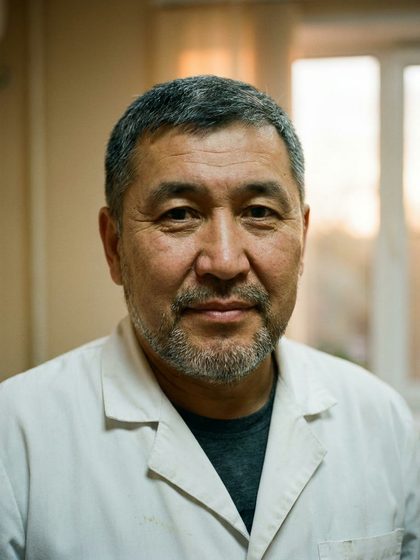
Reviewed byBaurzhan Kassymov, MDAddiction physician · updated 11.11.2026
Key facts
- ICD-10 code
- F10.3
- Who provides care
- the unit’s psychiatrists–addiction physicians and nurses on duty, plus an internist and a psychologist when needed
- Where
- the clinic’s inpatient addiction unit in Almaty, with single and double rooms
- Duration
- usually 3–7 days, longer if complications arise — the doctor decides the length of stay based on progress
- Anonymity
- you can be admitted without naming your employer; medical confidentiality applies, with no entry on the state dispensary registry
- When it is urgent
- seizures, delusions, hallucinations, loss of consciousness, chest pain — call 103 or 112; this is not a planned admission
- Outcome
- withdrawal safely completed, normal sleep, blood pressure and eating restored, and a plan for further addiction treatment
What to know
An inpatient unit is not a “punishment” or a last resort; it is a way to get through the hardest days of withdrawal safely and under supervision. If the addiction physician sees over the phone or after a home visit that the risks are too high for an apartment, they recommend hospital admission. The patient makes the decision, and the doctor explains why staying at home may be dangerous in this situation and exactly what will happen in the Akalam unit on the first day and the days that follow.
In Almaty, relatives often live far apart and work late, and a person on a binge ends up alone in an apartment in the Almaly or Zhetysu district. In such cases, even a moderate binge is safer to manage in an inpatient unit: at night there is a nurse on duty nearby, a doctor on site, and lab tests are done within the first hours. The family can keep working and visit by arrangement, without sitting by the bed for days on end or taking time off work.
When inpatient care is safer than treatment at home
- the binge has lasted more than 10–14 days or recurs several times a month
- previous attempts to stop drinking involved seizures or delirium tremens
- there is coronary heart disease, arrhythmia or hypertension with high readings
- a history of diabetes, cirrhosis or chronic pancreatitis
- the person lives alone and there is no one to stay with them during the first nights
- there is always alcohol at home and the temptation to drink again is too strong
- previous IV drips at home helped for only a few hours
If life is at risk — loss of consciousness, seizures, hallucinations, overdose, suicidal thoughts — call 103 or 112. Helpline for children and young people: 150.
How inpatient care differs from a home visit
The main difference is continuous monitoring. At home, the doctor spends 2–3 hours with the patient and then leaves, while withdrawal often peaks during the night of the second or third day. In the unit, the patient’s condition is assessed several times a day: blood pressure, pulse, temperature, tremor and orientation. If the first signs of delirium or seizure risk appear, treatment is adjusted immediately rather than after relatives call again.
The second difference is diagnostics. In the inpatient unit, a complete blood count and blood chemistry are taken in the first hours, liver function, electrolytes and blood sugar are checked, and an ECG is recorded. This helps reveal hidden problems that are common after a long binge: low potassium and magnesium, pancreatitis, a flare-up of gastritis. Finally, inpatient care is a break from the usual surroundings, where it is easier to start a conversation about treating the addiction.
How admission and inpatient treatment work
First, the addiction physician assesses the condition over the phone and tells you what to bring: an ID card (if treatment is not anonymous), a list of medications, a change of clothes, slippers and a phone charger. If the person cannot get there on their own, we arrange transport — given the traffic from the Turksib or Nauryzbay district, it is best to plan this in advance. On admission, the doctor examines the patient, orders lab tests and an ECG, and starts the first IV drip. After that come daily check-ups, infusions, and the restoration of sleep and eating.
A private addiction unit does not admit people in an alcoholic coma or with serious injury, stroke, heart attack or bleeding — these are cases for an ambulance and a general hospital, so call 103 or 112. We do not admit adults against their will: involuntary treatment is possible only by court decision in the manner established by the law of the Republic of Kazakhstan. If a person chooses to leave, the doctor will explain the risks but will not hold them.
How we help
Initial diagnostics
On admission, the doctor takes a medical history, rates the severity of withdrawal using a clinical scale, and orders a complete blood count, blood chemistry, blood sugar, electrolytes and an ECG. An internist joins when indicated. The results determine the volume of infusions and the need for additional medications, and they also help identify risks in advance — for example, an electrolyte deficiency that raises the likelihood of heart rhythm problems.
Detox and metabolic correction
Over several days, the patient receives IV drips with detox and saline solutions and B vitamins, and, when needed, liver-support medications and potassium and magnesium supplements. The doctor reviews the prescriptions every day based on lab results and how the patient feels. Medications to relieve anxiety and prevent seizures are used only as prescribed by a doctor and are tapered off gradually.
Restoring sleep and nutrition
After a long binge, a person often has not slept for several days and has barely eaten. In the unit, a normal routine is restored step by step: small frequent meals, enough fluids, and a calm environment at night. Sleep is an important sign that the acute phase is over. If insomnia persists, the doctor selects treatment without replacing alcohol with other addictive substances.
Moving on to addiction treatment
Toward the end of the stay, when the person is thinking clearly, they meet with a Akalam addiction physician and psychologist. Options are discussed: an outpatient program, psychotherapy, a rehab center, or alcohol “coding” (a treatment widely used in Kazakhstan and CIS countries) after the required period of sobriety. Discharge is not the end; it is a convenient starting point for working to make sure binges do not return.
How treatment works
- 01Call or WhatsAppThe administrator and the doctor on duty clarify the situation and tell you what to do right now.
- 02Examination or consultationThe doctor visits your home, sees you at the clinic or joins by video.
- 03Treatment planWe choose the format — at home, inpatient, psychotherapy or rehab — with a clear price.
- 04Ongoing supportYour doctor and psychotherapist stay in touch: follow-ups, family support and relapse prevention.
Myths and facts
MythPatients are locked in and not allowed to leave
FactTreatment is voluntary. A patient can decline admission or leave early; the doctor will only explain the risks and ask them to sign a refusal form. A private clinic has no right to hold an adult by force.
MythAfter inpatient treatment, you will definitely be put on a registry
FactWith paid anonymous treatment, no information is passed to the state dispensary or to your employer. Medical confidentiality is protected by the Code of the Republic of Kazakhstan “On Public Health and the Healthcare System”; exceptions are provided only by law, for example, at the request of a court.
MythInpatient care is only for “advanced” cases
FactSometimes admission is needed even after a relatively short binge — if there is heart disease, diabetes, a history of seizures, or the person lives alone. The decision is based on risk, not on how “bad” the person looks.
Prices: Inpatient alcohol detox
| Inpatient alcohol detox | 45 000 ₸ |
| Addiction doctor home visit: examination and advice | 20 000 ₸ |
| Repeat IV drip the next day | 20 000 ₸ |
| 24 hours in the inpatient unit | 45 000 ₸ |
| Phone consultation | free |
Prices are approximate: the doctor confirms the exact cost after the examination, before treatment starts.
Confidential
We do not register patients with state dispensaries or share information with employers. You do not have to give your surname; doctors arrive in unmarked cars. Medical confidentiality is protected by the Code of Kazakhstan “On Public Health and the Healthcare System”.
Clinic addresses
FAQ
How many days do you need to stay in the inpatient unit?
Most often 3 to 7 days. The exact length depends on how long the binge lasted, other health conditions, and how quickly blood pressure, sleep and well-being stabilize. The doctor assesses progress every day and discusses the discharge date with the patient.
Can a patient be admitted at night?
Yes, the unit admits patients around the clock. Call ahead so the doctor on duty can clarify the condition and prepare a room. At night the drive across the city is faster, but if the person is in a serious condition, do not drive them yourself — call 103.
Are visits and phone use allowed?
Visits are possible by arrangement with the doctor, usually once the acute phase has passed. Patients are generally allowed to keep their phones, but in the first days the doctor may ask them to limit calls if these cause anxiety. Ask about the unit’s specific rules on admission.
How is an inpatient unit different from a rehab center?
The inpatient unit solves a medical task: getting the person safely through withdrawal over a few days. A rehab center involves weeks and months of work on the addiction and lifestyle. After inpatient care, the doctor may recommend rehab if it is needed.
How do we get the person there if they cannot travel on their own?
Discuss this with the doctor when you call: transport with medical escort can be arranged. Putting a person on a binge into a taxi alone is unsafe. If there are signs of a threat to life — confusion, seizures, loss of consciousness — call 103.
What should the patient bring to the unit?
An ID card if treatment is not anonymous, medical records and a list of regular medications, a change of clothes, slippers, toiletries and a phone charger. Alcohol, medications not approved by the doctor, and sharp objects are not allowed — you will be asked to hand them in on admission.
Sources and review
Prepared by the Akalam medical editorial team based on:
- ICD-10 and ICD-11: mental and behavioural disorders
- Clinical protocols of the Ministry of Health of Kazakhstan
- Code of Kazakhstan “On Public Health and the Healthcare System”
- WHO: mental health and substance use
- NICE and APA clinical guidelines
This information is for reference and does not replace a doctor's consultation. Editorial policy