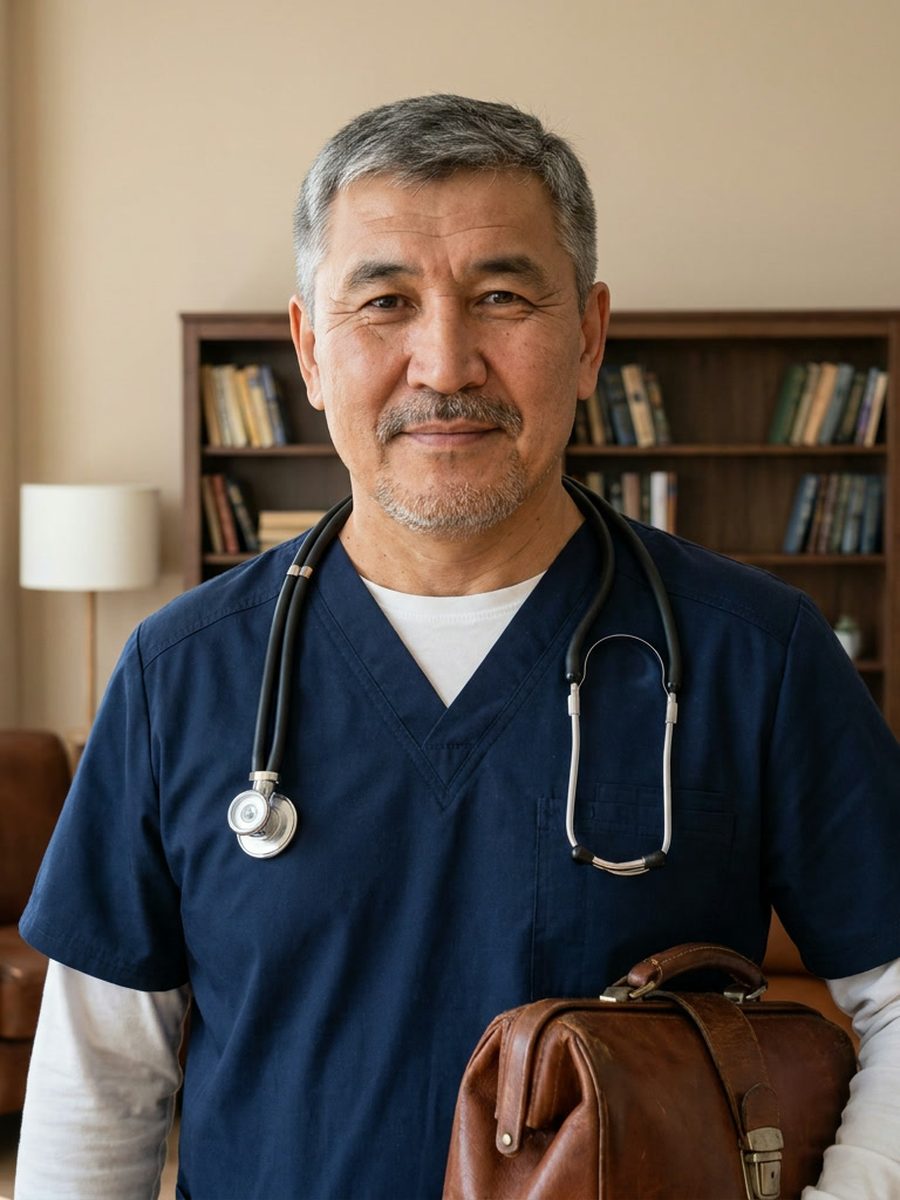
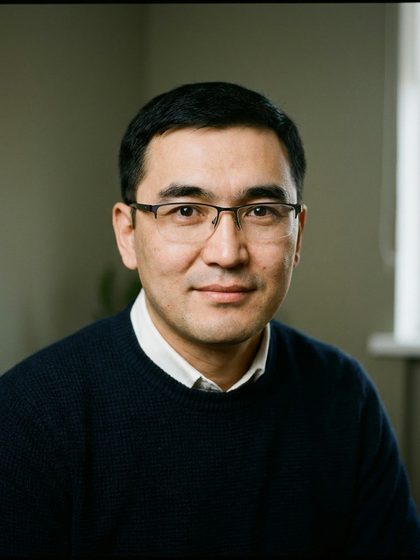
Reviewed byTimur Abdrakhmanov, MDPsychotherapist · updated 11.11.2026
Key facts
- Who provides care
- a resocialization case manager, a psychotherapist, and a psychologist; an addiction physician and psychiatrist when needed
- Where
- sessions at the clinic in Almaty, online sessions, and an alumni group; if needed, a stay in a transitional apartment
- Duration
- usually 3 to 12 months, with intensity decreasing as the person stabilizes
- Anonymity
- anonymous, with no registration at the state dispensary; the case manager contacts your employer only with your consent
- When it is urgent
- a relapse into a binge, signs of overdose, psychosis, or suicidal thoughts — call 103 or 112
- Outcome
- work or school, restored relationships, a new social circle, and stable, independent sobriety
What to know
Discharge from a rehab center is one of the most vulnerable moments. While the person was living on a set schedule, surrounded by specialists and people with similar goals, staying sober was easier. Then they return to an apartment in the Zhetysu district where everything reminds them of the past, to friends who invite them to “just hang out,” to debts, and to a job that may not take them back. Most relapses happen in the first months after discharge, and resocialization exists to make this transition gradual.
Resocialization should not be confused with rehab itself: the main course has been completed, the person is sober, and they have the skills. Now the task is to build those skills into everyday life in a big city. In its documents on addiction treatment, the WHO stresses the importance of long-term support and social assistance after the intensive phase. At Akalam, this stage includes a case manager, psychotherapy, an alumni group, and practical help — from writing a résumé to planning debt repayment.
When Aftercare Is Needed
- the main rehab course is finished and the return home is ahead
- the person fears they won’t stay sober without a routine and support
- they have lost their job, have debts, or have problems with documents
- their old social circle revolves around drinking or drug use
- resentments have built up in the family and trust has not yet been restored
- after previous courses, relapse happened in the first weeks after discharge
- it is hard to plan the day, get up in the morning, and handle everyday tasks
If life is at risk — loss of consciousness, seizures, hallucinations, overdose, suicidal thoughts — call 103 or 112. Helpline for children and young people: 150.
Why Relapse Is More Likely After Discharge
In rehab, the person lives in a protected environment with almost no triggers. At home, there are many again: familiar streets, old friends, free time, conflicts, money in hand. Add to that the pace of Almaty — high expectations at work, comparing yourself with successful peers, winter smog, and short days when many people’s mood drops. Without support, the skills gained at the center may not hold up when they collide with reality.
In addition, the years of addiction often destroy basic supports: work, professional skills, finances, relationships. The person may be ashamed of their past and avoid people. Resocialization helps rebuild all of this step by step, without trying to “make up for everything at once” — which in itself can cause overload and relapse. The pace is set together with the case manager and therapist.
How Resocialization Works
Even before discharge, the case manager and the patient draw up an individual plan: where to live, when and how to return to work or school, who to stay in touch with, and which meetings to attend. In the first weeks, there are frequent sessions with the case manager and psychotherapist and a weekly alumni group. Some sessions are held online, especially for those who have returned to the suburbs or another city. Gradually, the frequency decreases, and responsibility for sobriety and daily life shifts more and more to the person themselves.
Resocialization is designed for people who have completed the main course and remain sober. If there has been a relapse into binge drinking or drug use, medical care is needed first, and if life is at risk, call 103 or 112. If signs of depression, an anxiety disorder, or suicidal thoughts appear, a psychiatrist is brought in. We do not stop anyone from living their own life: this is support by mutual agreement, not control against the person’s will.
How we help
A Personal Case Manager
The case manager is a specialist who guides the person through the entire aftercare period: regular meetings, discussing plans and difficulties, and reminders about agreements. They help set realistic goals for the week and the month. If the person drops out of contact, the case manager reaches out according to a pre-agreed plan, so that warning signs of relapse are spotted in time.
Returning to Work and School
We help assess what kind of work the person is ready for, write a résumé, prepare for interviews, and think through what to say about the gap in employment. For students, we discuss re-enrolling at university and their workload. Many people in Almaty return to IT, retail, or the service industry; sometimes it makes more sense to start with a lighter workload and not go straight back into a high-stress environment.
Alumni Group
Weekly meetings for people who have completed the program are led by a psychotherapist. Participants share their experience of sober living: how to say no at toi celebrations, how to spend weekends, how to deal with loneliness. The group becomes a new social circle where sobriety is the norm. Many keep attending even after formal support has ended.
Financial and Practical Independence
We go through debts and draw up a repayment plan, and work on budgeting, daily routine, sleep, nutrition, and physical activity. For people whose addiction lasted for years, this is a separate skill to learn. If needed, a stay in a transitional apartment helps the person through the period before fully independent living.
How treatment works
- 01Call or WhatsAppThe administrator and the doctor on duty clarify the situation and tell you what to do right now.
- 02Examination or consultationThe doctor visits your home, sees you at the clinic or joins by video.
- 03Treatment planWe choose the format — at home, inpatient, psychotherapy or rehab — with a clear price.
- 04Ongoing supportYour doctor and psychotherapist stay in touch: follow-ups, family support and relapse prevention.
Myths and facts
MythAfter rehab, the person is healthy and can manage on their own
FactThe main course provides skills, but not the experience of using them in everyday life. The first months after discharge are a period of high relapse risk, which is why international addiction treatment guidelines recommend long-term support.
MythResocialization means living in a supervised dormitory
FactTransitional housing is just one option, and not everyone needs it. More often, resocialization happens while the person lives at home, works, and attends sessions. The key here is support and skills, not control.
MythYou can never go back to your old job
FactThis is an individual decision. Sometimes the old job is a source of stability; sometimes it is a source of heavy stress and a drinking-related environment. We discuss the risks together with the person and help them make a balanced decision rather than forbidding anything.
Prices: Aftercare and reintegration
| Aftercare and reintegration | 90 000 ₸ / month |
| Residential rehab, per month | 299 000 ₸ |
| Outpatient program, per month | 120 000 ₸ |
| Consultation to choose a program | free |
| Phone consultation | free |
Prices are approximate: the doctor confirms the exact cost after the examination, before treatment starts.
Confidential
We do not register patients with state dispensaries or share information with employers. You do not have to give your surname; doctors arrive in unmarked cars. Medical confidentiality is protected by the Code of Kazakhstan “On Public Health and the Healthcare System”.
Clinic addresses
FAQ
Can I go through resocialization if I did rehab at another center?
Yes. At the first meeting, we review your treatment history, discharge summaries, and the plan you were given at the previous center, and assess your current condition. Then we draw up our own support plan. It is important that the person is sober and stable at the start — otherwise, medical care is needed first.
How often do I need to meet with the case manager?
In the first month, usually once or twice a week, plus the alumni group. After that, once a week or every two weeks. The frequency depends on your condition, your workload, and how you are coping. Some sessions can be held online if traveling across the city takes too long.
Do you help with finding a job?
We are not an employment agency and cannot guarantee a job. But we help assess readiness for work, write a résumé, prepare for interviews, and think through how to talk about the gap. We never tell an employer about your treatment: that decision stays with you.
How should the family behave after their loved one comes home?
It is important not to become a warden and not to pretend nothing happened. Agree on clear house rules, talk about feelings calmly, and don’t bring up the past in every argument. Family sessions as part of resocialization help build new relationships, and we recommend that relatives get support of their own.
What should I do if I relapse during resocialization?
Tell your case manager or psychotherapist right away — shame and secrecy make a relapse more dangerous. If there are signs of severe intoxication or overdose, call 103 or 112. Then we decide together whether stepping up outpatient support is enough or a short inpatient stage is needed.
Will my employer or any databases have information about my treatment?
No. At Akalam, aftercare is anonymous, with no registration at the state dispensary. Patient information is protected by medical confidentiality and is disclosed only in cases expressly provided for by Kazakhstan law. We contact an employer or school only with your written consent.
Sources and review
Prepared by the Akalam medical editorial team based on:
- ICD-10 and ICD-11: mental and behavioural disorders
- Clinical protocols of the Ministry of Health of Kazakhstan
- Code of Kazakhstan “On Public Health and the Healthcare System”
- WHO: mental health and substance use
- NICE and APA clinical guidelines
This information is for reference and does not replace a doctor's consultation. Editorial policy