
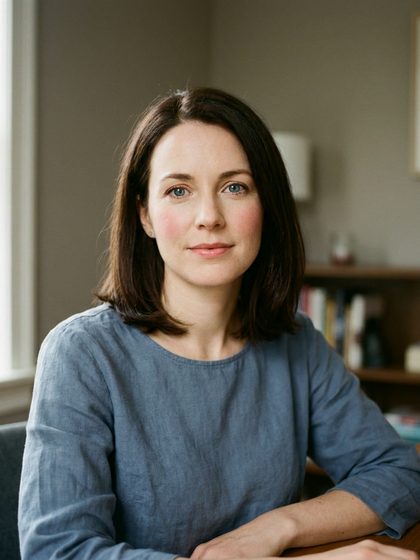
Reviewed byKsenia Voronova, MDPsychotherapist · updated 11.11.2026
Key facts
- ICD-10 code
- F41, F43
- Who provides it
- A psychotherapist or clinical psychologist trained in CBT; for severe symptoms, joint work with the clinic’s psychiatrist
- Format
- Individual sessions in person in Almaty or online, a CBT group for anxiety, and additional materials and diaries for work between sessions
- Duration
- Each session lasts 50–60 minutes once a week; the standard course is 8–16 sessions, followed by 2–3 monthly maintenance sessions
- Confidentiality
- Medical confidentiality under the Code of the Republic of Kazakhstan “On Public Health and the Healthcare System”; no information is shared with your employer
- When it is urgent
- Chest pain, shortness of breath or fainting require ruling out a physical cause first: call 103; for suicidal thoughts, call 112, and young people can call 150
- Outcome
- Anxiety stops driving your decisions; you avoid situations less often, sleep better and recover faster after stressful periods
What to know
My typical patient with anxiety in Almaty is someone who seems to be coping perfectly well on the outside. A team lead at an IT company, a bank manager, an entrepreneur with a café in Medeu district. In the morning, checking email while still in bed; all day, video calls; in the evening, a traffic jam on Ryskulov Avenue and thoughts that keep spinning until three in the morning. They don’t come in with the word “anxiety” but with complaints: my heart is pounding, my stomach hurts, I can’t relax even on a weekend in the mountains.
This page is about psychotherapeutic work with stress and anxiety, not about medication treatment of an anxiety disorder or about panic attacks, which are managed by a psychiatrist. Psychotherapy is a good fit when you want to understand how your anxiety works and gain skills that stay with you after the course. If anxiety is so severe that it has interfered with work and sleep for weeks, the psychotherapist will recommend a psychiatric consultation in parallel.
When to See a Psychotherapist for Anxiety
- you are always expecting the worst and replaying disaster scenarios about work and home in your head
- you can’t disconnect from work chats even on vacation or at the dacha
- after a stressful week your head, neck or stomach hurts, but doctors can’t find a cause
- it takes you more than an hour to fall asleep because your thoughts won’t stop
- you have started avoiding presentations, phone calls, trips or meeting new people
- you snap at loved ones over small things and feel constantly tired
- to unwind in the evening, you increasingly need alcohol, nicotine or binge-watching late into the night
If life is at risk — loss of consciousness, seizures, hallucinations, overdose, suicidal thoughts — call 103 or 112. Helpline for children and young people: 150.
Where Chronic Anxiety and Stress Come From
Anxiety is a normal reaction to a threat. The problem starts when the anxiety system fires too often and too strongly, and the person tries to calm down through control, avoidance or constant checking. These strategies bring relief for minutes but reinforce anxiety for months. ICD-10 describes the more severe forms under F41 (other anxiety disorders) and F43 (reaction to severe stress, and adjustment disorders); a diagnosis is made by a doctor after an assessment.
The pace of life in Almaty adds its own pressures. Hours-long traffic jams when you can neither rest nor work. Winter smog that means weeks without sunshine or walks. Project work in IT with deadlines and calls across time zones. A mortgage, the tenge exchange rate, family expectations. For students, there are exams, a move from the regions and life in a dorm. None of this causes an anxiety disorder on its own, but together it creates a background against which the nervous system never has time to recover.
How a Course of Anxiety Therapy Works
The first session is an assessment: the therapist asks about your symptoms, how long they have lasted and the situations that trigger them, and offers standardized anxiety and stress questionnaires. Then you map out a scheme together: event, thought, body, behavior. The following sessions focus on practicing skills: breathing and muscle relaxation, working with catastrophic thoughts and gradually facing the situations you avoid. At the end of the course, we repeat the questionnaires to see the changes.
Before starting, it is important to rule out physical causes: for palpitations, shortness of breath, weight loss or trembling, a doctor may order an ECG, thyroid hormone tests and other examinations. Psychotherapy alone is not enough if anxiety comes with severe depression, thoughts of death, or misuse of alcohol or sedatives. In these cases, you need a psychiatrist or an addiction physician. For chest pain or difficulty breathing, call 103 first.
How we help
Cognitive Behavioral Therapy
The main method, with a strong evidence base for anxiety. You learn to notice automatic thoughts (“I won’t cope,” “I’ll get fired”), test them against reality and replace them with more balanced ones. The behavioral part involves gradually giving up avoidance and checking. The course is structured, with clear goals and homework, so it suits busy people with tight schedules well.
Stress Management Techniques
Breathing exercises with a longer exhale, progressive muscle relaxation, planning breaks during the day and sleep hygiene. The therapist helps you fit them into your real day: five minutes in the car in the parking lot before the office, a walk instead of your phone at lunch, a rule not to check email after 9:00 p.m. On its own this is not treatment for an anxiety disorder, but it is an important part of the course.
Burnout Recovery
For occupational burnout, we look at workload, boundaries at work, perfectionism and the inability to say “no.” This is an especially common request from IT specialists, doctors, teachers and entrepreneurs. The therapist helps you understand what you can change in the situation yourself and where a conversation with your manager or a change of role is needed. The goal is to restore your energy, not just to survive another quarter.
Mindfulness-Based Approaches
Mindfulness exercises help you observe anxious thoughts without getting caught up in them. The approach is part of third-wave CBT and suits people prone to hours of rumination. The practices are short, 5–15 minutes, and can be done at home or on a walk around Sairan Lake. The effect comes with regular practice, not after a single session.
How treatment works
- 01Call or WhatsAppThe administrator and the doctor on duty clarify the situation and tell you what to do right now.
- 02Examination or consultationThe doctor visits your home, sees you at the clinic or joins by video.
- 03Treatment planWe choose the format — at home, inpatient, psychotherapy or rehab — with a clear price.
- 04Ongoing supportYour doctor and psychotherapist stay in touch: follow-ups, family support and relapse prevention.
Myths and facts
MythAnxiety is a personality trait, and nothing can be done about it
FactA tendency toward anxiety may be inborn, but how much anxiety controls your life depends largely on skills. CBT helps many people noticeably reduce its influence, even if they have been anxious since childhood.
MythIf rest doesn’t help, you need pills
FactRest often doesn’t help because the anxiety carries on in your thoughts. Psychotherapy teaches you to work with exactly those thoughts. Medication may be needed for a severe disorder, but the decision is made by a psychiatrist after an assessment.
MythYou can just have a drink in the evening to relieve stress
FactAlcohol relaxes you briefly but worsens sleep quality and increases anxiety the next day. Over time, it can develop into an addiction. It is not a way to cope with stress but an additional risk.
Prices: Therapy for anxiety and stress
| Therapy for anxiety and stress | 18 000 ₸ |
| Psychotherapist session (50 min) | 14 990 ₸ |
| Psychologist session (50 min) | 12 000 ₸ |
| Family session (80 min) | 25 000 ₸ |
| Phone consultation | free |
Prices are approximate: the doctor confirms the exact cost after the examination, before treatment starts.
Confidential
We do not register patients with state dispensaries or share information with employers. You do not have to give your surname; doctors arrive in unmarked cars. Medical confidentiality is protected by the Code of Kazakhstan “On Public Health and the Healthcare System”.
Clinic addresses
FAQ
How is psychotherapy for anxiety different from anxiety disorder treatment with a psychiatrist?
A psychiatrist assesses symptoms, makes a diagnosis and, if necessary, prescribes medication such as antidepressants. A psychotherapist runs a course of psychological sessions that teach skills. For mild to moderate anxiety, psychotherapy is often enough; for severe anxiety, it is better to combine both approaches.
How many sessions are needed?
Usually 8–16 weekly sessions. Many people notice the first changes after 4–6 sessions: falling asleep becomes easier and rumination happens less often. After the main course, 2–3 monthly maintenance sessions are helpful to consolidate results and work through new situations.
Can I take the course online?
Yes, CBT works well by video, especially for people who spend a lot of time in traffic or live in the suburbs. Homework and diaries can be filled in on your phone. Sometimes in-person sessions are more convenient for exercises involving gradual exposure to anxiety-provoking situations.
Do I need to see a cardiologist first?
If you have palpitations, chest pain, an irregular heartbeat or shortness of breath, it is better to rule out physical causes first. A Akalam therapist can recommend which tests to take. For sudden severe chest pain or loss of consciousness, don’t wait: call 103.
Does psychotherapy help with stress from working in IT?
This is one of the most common requests in Almaty. We work with perfectionism, fear of making mistakes, the inability to switch off after calls, and impostor syndrome. The therapist helps you build a routine, boundaries and skills that let you stay productive without constant tension.
What should I do if I feel worse during the course?
Tell your therapist: anxiety can temporarily increase when you start facing what you used to avoid. If the deterioration is severe, if thoughts of death appear or if you have started drinking more, the therapist will suggest a psychiatric consultation. If life is at risk, call 112.
Sources and review
Prepared by the Akalam medical editorial team based on:
- ICD-10 and ICD-11: mental and behavioural disorders
- Clinical protocols of the Ministry of Health of Kazakhstan
- Code of Kazakhstan “On Public Health and the Healthcare System”
- WHO: mental health and substance use
- NICE and APA clinical guidelines
This information is for reference and does not replace a doctor's consultation. Editorial policy