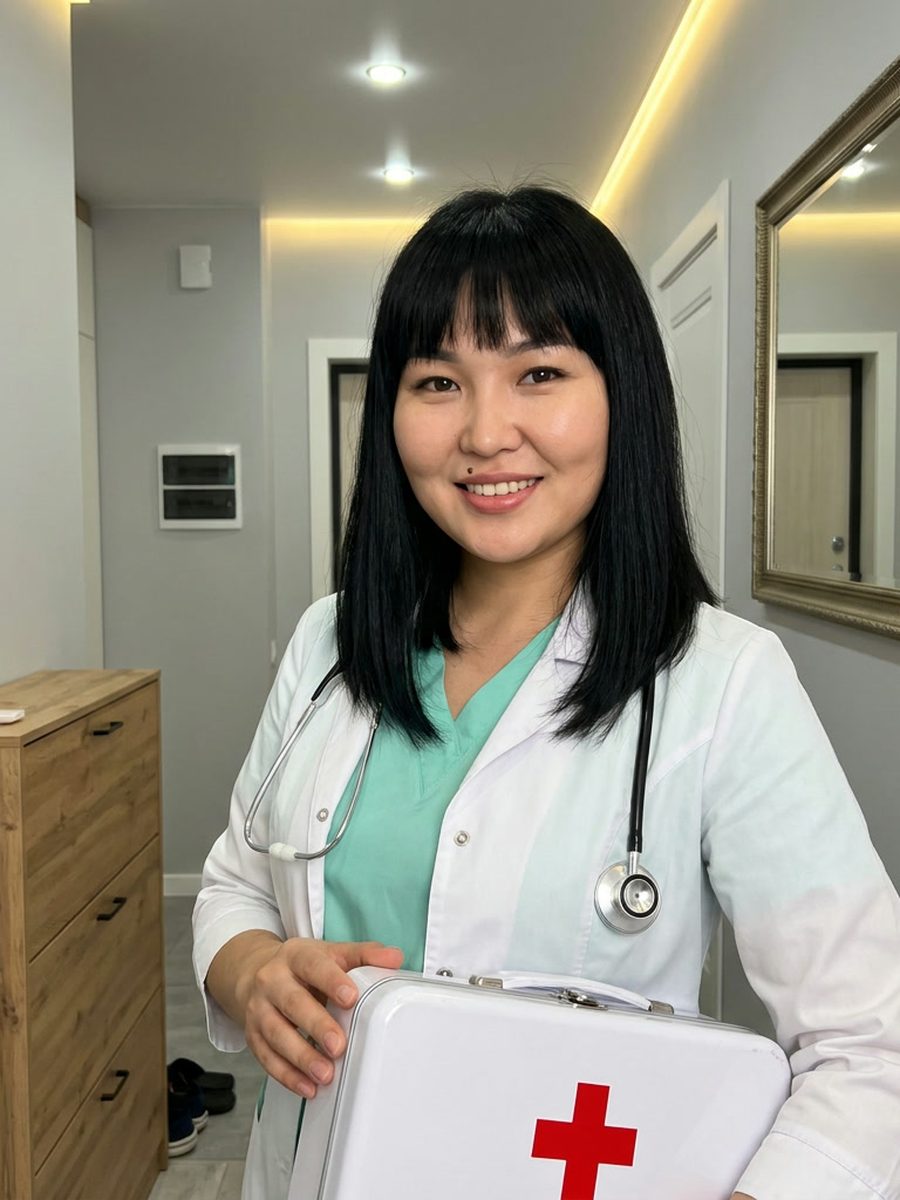
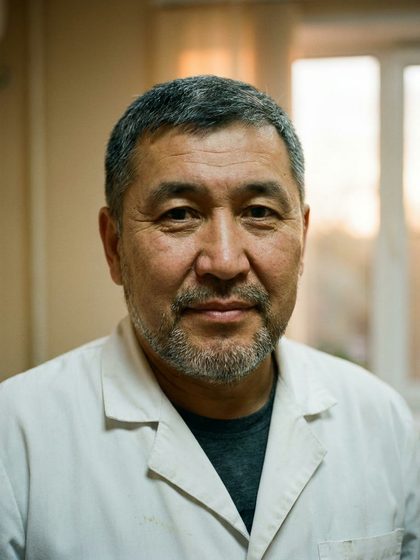
Reviewed byBaurzhan Kassymov, MDAddiction physician · updated 11.11.2026
Key facts
- Who provides care
- an addiction physician, a psychiatrist, a psychotherapist, and a psychologist; the program is coordinated by the attending physician
- Where
- the Akalam clinic in Almaty, an inpatient unit for detox, outpatient appointments, and online sessions
- Duration
- detox from several days, active treatment for 1–3 months, and follow-up support for at least a year
- Anonymity
- no registration and no disclosure to your employer or school; the only exceptions are those required by law
- When it is urgent
- loss of consciousness, slow breathing, seizures, psychosis, or suicidal thoughts: call 103 or 112
- Outcome
- stopping drug use, control over cravings, and a return to studies, work, and a normal rhythm of life
What to know
Most often, the people who come to me are not the patients themselves but the parents of a student living in a dorm in the Bostandyk district, or the wife of a young IT specialist who “just works at night.” They are confused, afraid of the police and of word getting out at the university or at work, and they do not know where to start. The first thing they need to hear is this: addiction is a disease, it is treated by doctors, and seeking anonymous care at a private clinic does not lead to registration with the state.
Treating drug addiction is not just about “cleaning the blood.” Detox removes the acute effects, but the cravings, the altered mood, the social circle, and the habits remain. That is why we immediately build a pathway for several months ahead: inpatient or outpatient format, psychotherapy, treatment of co-occurring depression or anxiety, and, when needed, a rehab center and post-rehab support in Almaty.
Warning Signs That It Is Time to See an Addiction Physician
- sudden mood swings, irritability, and secretiveness for no apparent reason
- a new circle of friends, nights away from home, and refusal to explain where they have been
- disrupted sleep: going without sleep for a day or more, followed by long, heavy sleep
- loss of interest in studies, work, sports, and former hobbies
- money and belongings disappearing from home, debts, and loans taken out for no clear purpose
- changes in appetite and weight, frequent “colds,” and red eyes
- the person notices that they cannot stop, even though they want to
If life is at risk — loss of consciousness, seizures, hallucinations, overdose, suicidal thoughts — call 103 or 112. Helpline for children and young people: 150.
How Addiction Develops and Why a Doctor Is Needed
Psychoactive substances act on the brain’s reward system more powerfully than any natural pleasure. Gradually, the brain rewires itself: without the substance, anxiety, apathy, and insomnia set in, and ordinary life feels dull. These changes are neurobiological, which is why persuasion and punishment do not work, and quitting abruptly on your own can be dangerous and almost always ends in a return to use.
In Almaty, we often see young people who started using to cope with academic pressure, loneliness after moving to the city, or long hours in IT. Quite often, addiction is driven by untreated anxiety disorder, depression, ADHD, or traumatic experiences. If we work only with the substance and leave these causes untouched, remission will be fragile, so a psychiatric assessment is part of the program.
How Treatment Works: From the First Call to Remission
The first step can be taken online: relatives or the patient describe the situation to the physician without giving names or addresses. The physician assesses how urgent it is and suggests a format. Next comes an in-person examination, lab tests, an ECG, and a conversation with a psychiatrist. If there is physical dependence, detox is carried out, most often in the inpatient unit; after that, maintenance therapy is selected, regular psychotherapy sessions begin, and the family receives separate consultations.
The outpatient format is not suitable for severe physical dependence, use of several substances, psychotic episodes, suicidal thoughts, or serious heart and liver disease, or when there is no way to cut off access to the substance at home. In these cases, we start in the inpatient unit. If there are signs of an overdose, such as drowsiness progressing to loss of consciousness, slow breathing, or blue lips, call 103 immediately.
How we help
Detox and stabilization
Under a physician’s supervision, the body is cleared of the substance and its metabolites, withdrawal symptoms are relieved, and sleep and fluid and electrolyte balance are restored. Detox solutions, vitamins, and liver-protecting agents are used, along with medications to reduce anxiety and normalize sleep, strictly as prescribed by the physician. This is the first stage, after which the actual treatment of addiction begins.
Relapse prevention therapy
Depending on the substance and the patient’s condition, the physician may suggest medications that reduce cravings or block the effects of certain groups of substances, for example opioid receptor antagonists (opioid blockade). The decision is made after an examination and with informed consent. Therapy is monitored at regular appointments and adjusted if side effects occur.
Psychotherapy and treatment of co-occurring disorders
Cognitive behavioral therapy (CBT), motivational interviewing, and group sessions help patients learn to recognize triggers and manage cravings. At the same time, a psychiatrist treats depression, anxiety, or sleep problems if they are present. Without this, it is hard for a person to stay sober once stress and the old environment return.
Rehab and family support
For many patients, the next stage is a rehab center or outpatient rehab. The family receives consultations on how to avoid provoking conflicts, how to respond to a relapse, and how to rebuild trust. We help choose the right format and make sure follow-up does not stop after discharge, even if it seems that everything is already behind you.
How treatment works
- 01Call or WhatsAppThe administrator and the doctor on duty clarify the situation and tell you what to do right now.
- 02Examination or consultationThe doctor visits your home, sees you at the clinic or joins by video.
- 03Treatment planWe choose the format — at home, inpatient, psychotherapy or rehab — with a clear price.
- 04Ongoing supportYour doctor and psychotherapist stay in touch: follow-ups, family support and relapse prevention.
Myths and facts
MythDependence on “soft” drugs does not need treatment
FactAddiction develops through the same mechanisms regardless of what a substance is called among friends. Regular use, loss of control, and problems at school or work are a reason to consult an addiction physician, not to reassure yourself.
MythAfter going to a clinic, a person will end up on the registry
FactWith paid anonymous treatment, no entry is made in the state dispensary registry. Your information is protected by medical confidentiality under the Code of the Republic of Kazakhstan “On Public Health and the Healthcare System,” and it may be disclosed only in cases expressly provided for by law.
MythIf the person does not want help, nothing can be done
FactAn adult cannot be treated without consent unless a court so decides. But the family can do a lot: get a consultation, learn to talk without blame, and motivate the person to come in for an examination. Very often, this is exactly how consent to the first step comes about.
Prices: Drug addiction treatment
| Drug addiction treatment | 90 000 ₸ |
| Addiction doctor home visit: examination and advice | 20 000 ₸ |
| Repeat IV drip the next day | 20 000 ₸ |
| 24 hours in the inpatient unit | 45 000 ₸ |
| Phone consultation | free |
Prices are approximate: the doctor confirms the exact cost after the examination, before treatment starts.
Confidential
We do not register patients with state dispensaries or share information with employers. You do not have to give your surname; doctors arrive in unmarked cars. Medical confidentiality is protected by the Code of Kazakhstan “On Public Health and the Healthcare System”.
Clinic addresses
FAQ
Where do I start if I suspect my child is using drugs?
Do not interrogate them or search their room, as this usually makes them even more secretive. Book a consultation with an addiction physician yourself, without your child: the physician will help you assess the signs, suggest how to start the conversation, and offer options for an examination. If there are signs of poisoning or an overdose, call 103 immediately.
How long does drug addiction treatment take?
Detox takes from a few days to two weeks, and the active phase of treatment lasts one to three months. After that, maintenance follow-up and psychotherapy are recommended for at least a year. The timeline depends on the substance, how long it has been used, the person’s health, and the patient’s own motivation.
Is treatment possible without an inpatient stay?
Yes, if the dependence is not severe, there are no dangerous complications, and contact with the substance can be cut off at home. In that case, detox and further treatment are carried out on an outpatient basis with frequent visits. The decision is made by the physician after an examination, not based on a description over the phone.
Will the clinic report to the police?
No. Seeking medical help is not grounds for passing information to law enforcement. Medical confidentiality applies at Akalam, and treatment is anonymous. Exceptions are possible only in cases expressly established by the law of the Republic of Kazakhstan, for example at the request of a court.
What should we do if a relapse happens after treatment?
Do not lose contact with the physician, and do not shame the person. Relapses are common on the road to remission; what matters is to stop the episode quickly and understand what caused it. Call the attending physician: if necessary, repeat detox will be arranged and the program adjusted.
Can treatment be done online?
The initial consultation, work with the family, psychotherapy, and check-ins during remission are all suitable for online sessions. Detox, the examination, lab tests, and medication selection require an in-person visit. We combine formats so that the patient does not have to cross the whole city in traffic more often than necessary.
Sources and review
Prepared by the Akalam medical editorial team based on:
- ICD-10 and ICD-11: mental and behavioural disorders
- Clinical protocols of the Ministry of Health of Kazakhstan
- Code of Kazakhstan “On Public Health and the Healthcare System”
- WHO: mental health and substance use
- NICE and APA clinical guidelines
This information is for reference and does not replace a doctor's consultation. Editorial policy