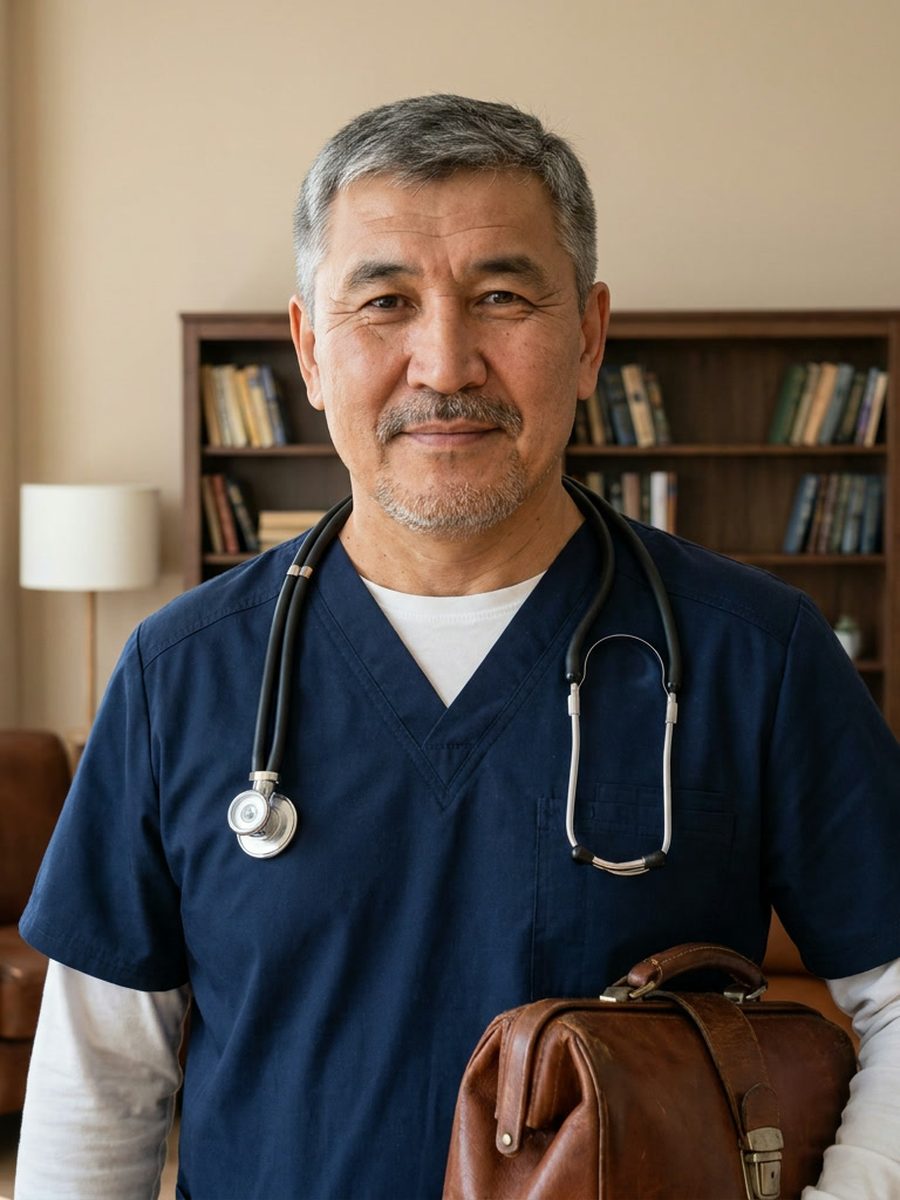
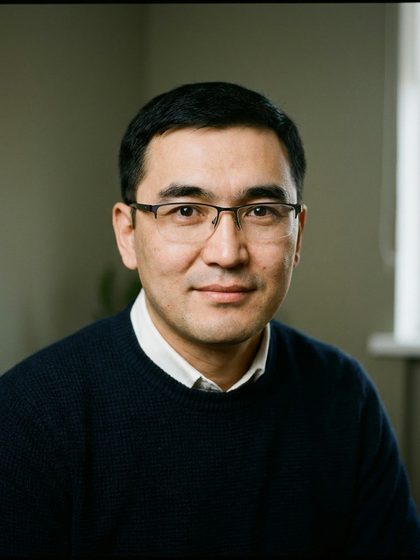
Reviewed byTimur Abdrakhmanov, MDPsychotherapist · updated 11.11.2026
Key facts
- Who provides care
- chemical dependency counselors and psychologists under a doctor’s supervision; an addiction physician and a psychiatrist monitor the person’s condition
- Where
- an inpatient rehab unit in Almaty or Astana, outpatient groups, and online groups for residents of other cities in Kazakhstan
- Duration
- intensive work on the first steps takes from 28 days in an inpatient setting; the full path through the steps takes months and continues in the fellowship
- Anonymity
- in groups, only first names are used; at the clinic, treatment is anonymous with no registry entry and medical confidentiality under Kazakhstan law
- When it is urgent
- withdrawal with seizures, hallucinations or suicidal thoughts — medical care comes first, call 103 or 112
- Outcome
- an understanding of one’s addiction, the ability to ask for help, and a sponsor and support group to rely on after discharge
What to know
I will describe the 12 steps without romanticizing them and without skepticism. It is neither a medical method nor a religion but a mutual-help model that emerged in the Alcoholics Anonymous community in the middle of the last century and was later adapted for people with drug, gambling and other addictions. It is based on an honest look at one’s life, responsibility for one’s actions and regular support from people who have walked the same path. In clinical practice, the 12 steps are combined with medicine and psychotherapy.
NICE and WHO guidelines consider participation in mutual-help groups a useful addition to addiction treatment, and so-called Twelve-Step Facilitation is regarded as one of the options for psychosocial care. It is important to understand the limits: the program does not relieve withdrawal and does not treat depression or psychosis. That is why at Akalam step work begins after detox and a psychiatric examination, and the counselors work hand in hand with the addiction physician and the psychotherapist.
Who the 12-Step Program Is Right For
- the person values support from people with similar experience, not only conversations with a specialist
- after treatment, they have no social circle free of alcohol or drugs
- shame and loneliness get in the way, and it feels as if “no one else has it this bad”
- they are willing to attend regular meetings and talk honestly about themselves
- the addiction is long-standing, and there have been relapses after medical treatment
- they need a clear structure of actions for the months after rehab
- the person wants to repair relationships and deal with the harm they have caused
If life is at risk — loss of consciousness, seizures, hallucinations, overdose, suicidal thoughts — call 103 or 112. Helpline for children and young people: 150.
Why the Program Helps and Where Its Limits Lie
The strength of the 12 steps lies in the fellowship. Addiction isolates: a person hides their use, loses friends and lives with guilt. In the group they meet people who have not been drinking or using for years and begin to believe it is possible. A sponsor becomes a real person they can call when a craving hits. The steps provide a sequence: from admitting the problem to examining one’s actions, making amends and helping others.
It is important to know the limits as well. The program does not replace a doctor: if a person has severe withdrawal, depression, an anxiety disorder or the after-effects of psychosis, these are treated with medical methods. Some people do not relate to the spiritual language of the steps — cognitive behavioral therapy or secular support groups may suit them better. We do not impose the program; we discuss with the patient which format is closer to them and, when needed, combine several.
How 12-Step Work Is Organized in Our Program
Before starting, there is an online conversation with a counselor and an addiction physician: how long the person has been using, whether they have any experience with groups and whether there are contraindications. Then comes an in-person examination and detox if needed. In the program, the person attends groups every day, reads the fellowship’s literature, completes written step assignments and discusses them with the counselor. Sessions with a psychotherapist run in parallel. Closer to discharge, the person gets to know open groups in their city or online and chooses a sponsor.
Step work is not started during intoxication, a binge or withdrawal — detox is needed first. If there is acute psychosis, severe depression with suicidal thoughts, dementia or marked cognitive impairment, the person is first treated by a psychiatrist, and the group format is chosen individually. Mutual-help groups are not emergency care: if there is a threat to life, call 103 or 112; for children and young people, the 150 helpline is available.
How we help
The first three steps: admission and decision
The first steps are about admitting powerlessness over addiction and deciding to accept help. In practice, this means stopping denial and no longer looking for excuses. The counselor helps the person write an honest history of their use: what they lost, how their relationships changed, where they tried to stay in control and why it did not work. This is often painful, so the work proceeds gradually and with the group’s support.
Inventory and making amends
The middle steps involve a written analysis of one’s resentments, fears and actions and discussing it with a trusted person. Next comes a list of the people who were harmed and a willingness to make amends wherever doing so will not hurt others. The psychotherapist helps separate healthy responsibility from destructive self-blame, so that this stage brings relief rather than a new reason to relapse.
Sponsorship and the group
Over time, each participant finds a sponsor — someone with stable sobriety who has worked the steps. They discuss difficult situations with the sponsor and call them when a craving hits. Regularly attending groups after discharge is an important part of the program: many people go to meetings for years. We help find groups in Almaty, Astana and other cities, as well as trusted online meetings in Russian and Kazakh.
Integration with medicine and psychotherapy
At our clinic, the steps do not replace the doctor. The addiction physician monitors physical health and cravings, the psychiatrist treats depression and anxiety if present, and the psychotherapist helps work through traumatic experiences that surface during step work. This combined approach is in line with international guidelines: mutual help works better when co-occurring disorders do not go untreated.
How treatment works
- 01Call or WhatsAppThe administrator and the doctor on duty clarify the situation and tell you what to do right now.
- 02Examination or consultationThe doctor visits your home, sees you at the clinic or joins by video.
- 03Treatment planWe choose the format — at home, inpatient, psychotherapy or rehab — with a clear price.
- 04Ongoing supportYour doctor and psychotherapist stay in touch: follow-ups, family support and relapse prevention.
Myths and facts
MythThe 12 steps are a cult or a religion
FactThe program uses the concept of a “higher power,” but everyone fills it with their own meaning, and many participants are not religious. The fellowships have no mandatory fees and no leadership that makes decisions for a person. It is voluntary mutual help that you can leave at any time.
MythAttending groups is enough; you don’t need a doctor
FactGroups do not relieve withdrawal and do not treat depression, anxiety or psychosis. If a co-occurring disorder is left untreated, it is hard for a person to stay sober even with strong motivation. The most lasting results come from combining medicine, psychotherapy and mutual help.
MythThe program is only for alcoholism
FactThe model originated in Alcoholics Anonymous but has long been adapted for people with drug and gambling addictions, as well as for their relatives. The principles are the same; the literature and group topics differ.
Prices: 12-step program
| 12-step program | 250 000 ₸ / month |
| Residential rehab, per month | 299 000 ₸ |
| Outpatient program, per month | 120 000 ₸ |
| Consultation to choose a program | free |
| Phone consultation | free |
Prices are approximate: the doctor confirms the exact cost after the examination, before treatment starts.
Confidential
We do not register patients with state dispensaries or share information with employers. You do not have to give your surname; doctors arrive in unmarked cars. Medical confidentiality is protected by the Code of Kazakhstan “On Public Health and the Healthcare System”.
Clinic addresses
FAQ
Do I need to believe in God to work the 12 steps?
No. The program speaks of a “higher power,” but how to understand it is everyone’s personal matter. For some it is faith, for others it is the group, a set of principles or simply the recognition that you cannot cope alone. At the clinic, no one requires religious beliefs, and the counselor helps find an understanding that feels right to the person.
How long does it take to work all the steps?
The timing is individual. In an inpatient program, the first steps are usually worked through within a month, while the full path takes from several months to a year or more. There is no need to rush: the point is depth, not speed. Many people keep attending groups even after completing all the steps, by then helping newcomers.
Can the program be done online?
Partly, yes. Online groups and sessions with a counselor are convenient for residents of cities where we have no clinic and for support after discharge. But at the start, especially after a binge or drug withdrawal, an in-person medical examination and detox are needed. Withdrawal and physical condition cannot be assessed over video.
How do the steps at a clinic differ from free groups?
Mutual-help fellowships are free and run by their members. At a clinic, step work is led by trained counselors, while an addiction physician, a psychiatrist and a psychotherapist work in parallel. The clinic provides an intensive start and medical safety, and the fellowship provides long-term support. We recommend combining both.
Is the program suitable for a teenager?
The program’s principles can be adapted for young people, but the decision is made by a doctor after an examination involving the parents or legal guardians. Teenagers more often have co-occurring anxiety and depressive disorders, so a consultation with a psychiatrist is mandatory. Children and young people can also call the 150 helpline.
Is there a program for relatives?
Yes. There are separate groups for loved ones that work on 12-step principles, and at the clinic there are family consultations and sessions. Relatives learn to stop controlling, to take back their own lives and to offer support without rescuing. This is helpful even if the person with the addiction is not yet ready for treatment.
Sources and review
Prepared by the Akalam medical editorial team based on:
- ICD-10 and ICD-11: mental and behavioural disorders
- Clinical protocols of the Ministry of Health of Kazakhstan
- Code of Kazakhstan “On Public Health and the Healthcare System”
- WHO: mental health and substance use
- NICE and APA clinical guidelines
This information is for reference and does not replace a doctor's consultation. Editorial policy